






9:00 AM - 3:00 PM ~ Creativity Day - Full Day Intensive Deep-Dive Workshops
(Opportunities for Ethics CE and Cultural CE workshops!)
3:30 PM - 4:30 PM ~ Main Stage: Special Symposium Opening Keynote Address
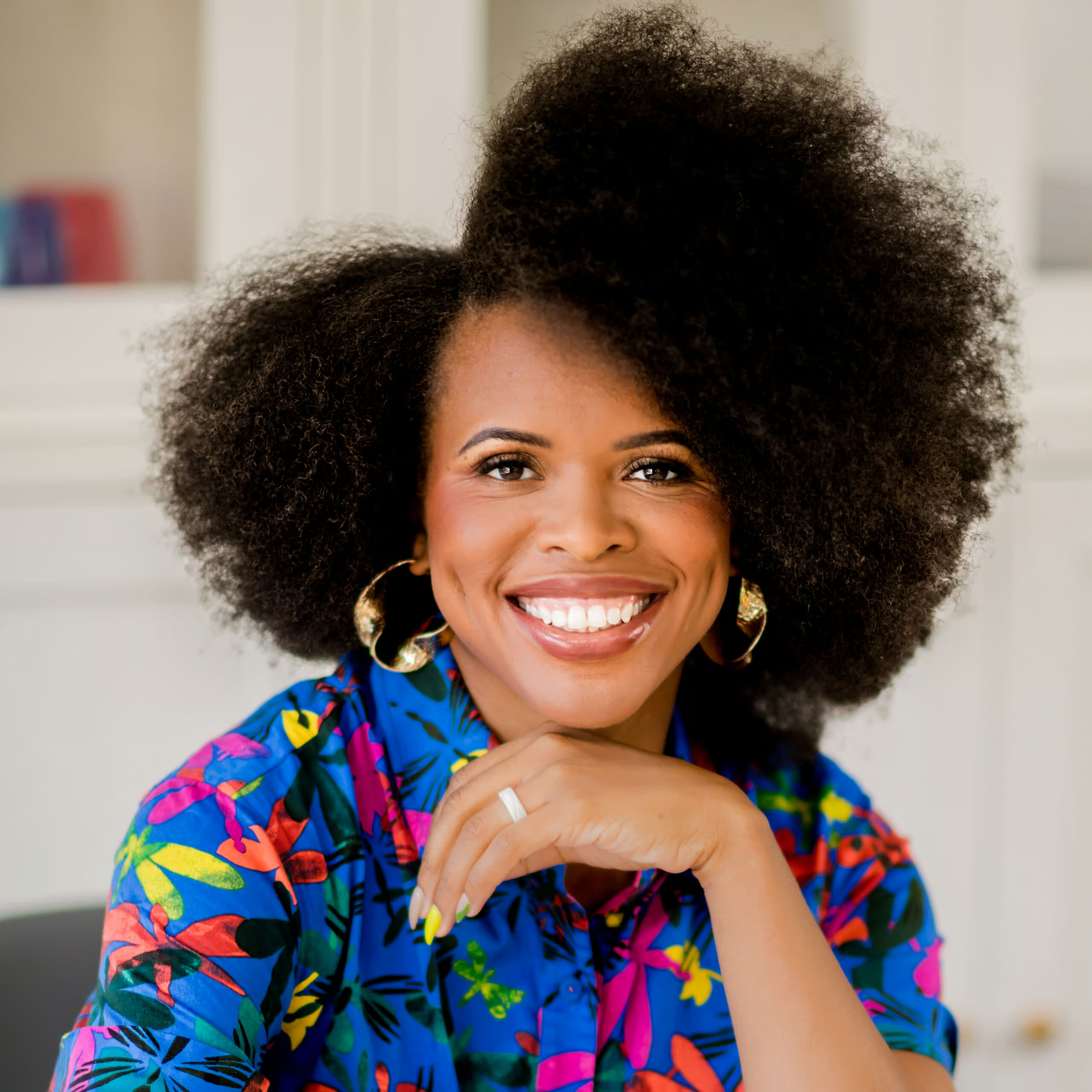
Historically, marriage—a forever commitment—has played a central role in our individual lives and societal structures. But these days, the very concept seems to be under revision. What does “forever” look like in an age that prizes independence and personal happiness? How do we help clients discern whether marriage is right for them? And perhaps the biggest question of all: what’s the purpose of marriage in today’s world anyway?
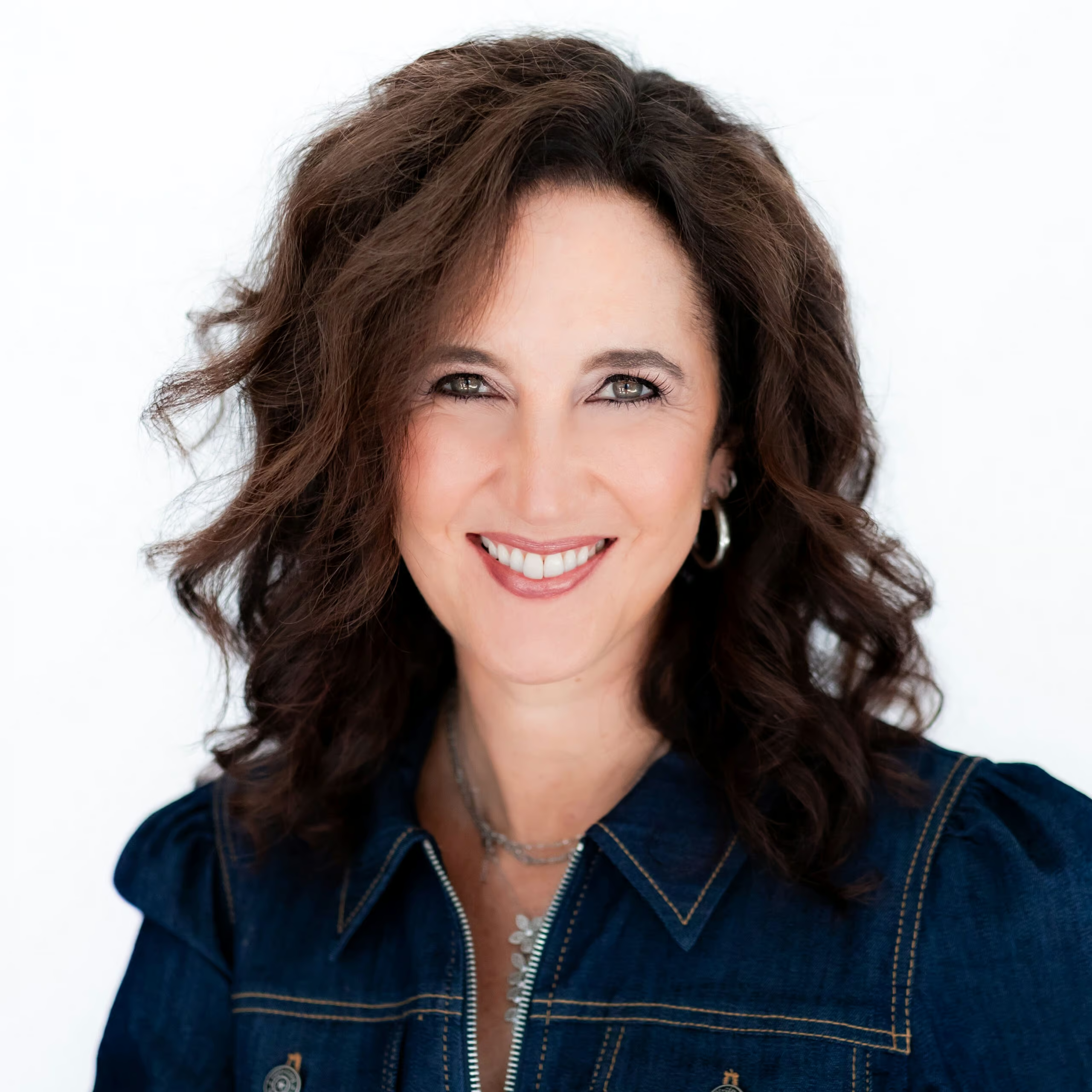
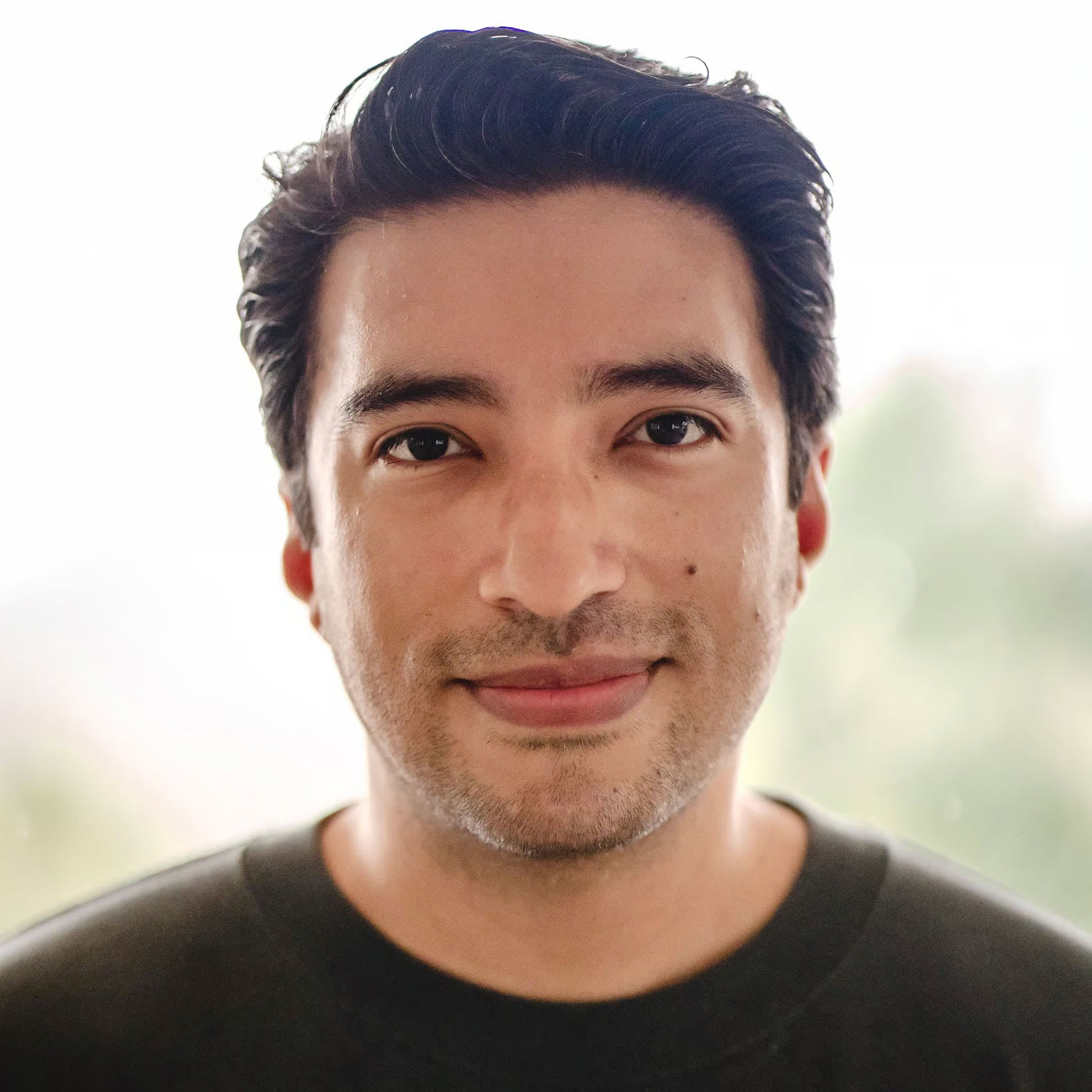
In this groundbreaking panel, three of today’s most influential voices on love, boundaries, and self-growth bring fresh perspectives to the evolving landscape of marriage. Alexandra Solomon, a clinical psychologist, professor, and author, has pioneered the field of relational self-awareness, guiding countless couples and individuals toward more conscious and compassionate love. Diego Perez, known to millions as yung pueblo, is a New York Times bestselling author and poet whose writing on self-discovery and emotional growth has made him one of the most resonant voices of the “healing generation.” And Nedra Glover Tawwab, therapist and author of the bestselling Set Boundaries, Find Peace and Drama Free, is a leading authority on boundaries and healthy relationships, with a global following that turns to her for practical, transformative guidance.
Together, they’ll chart a new vision for what marriage can mean today—not as a rigid tradition, but as a conscious, flexible, and deeply human commitment.
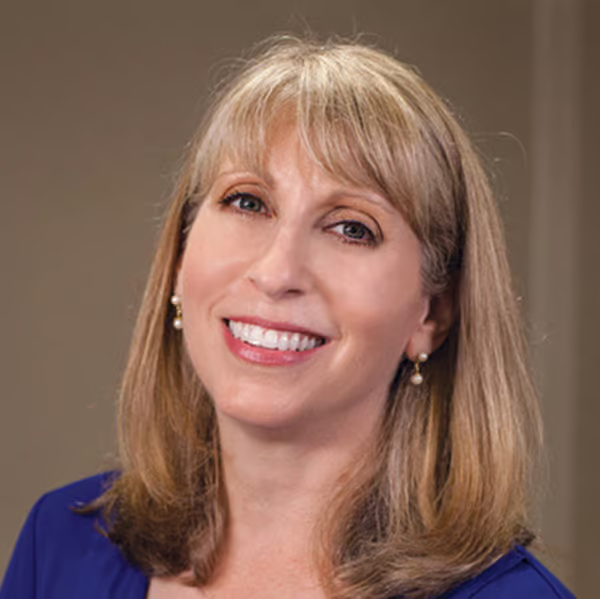

Parts work offers an intuitive way of understanding our complexity and developing self-compassion. Although many clinicians incorporate it into their work, they may be missing the opportunity to do it using creative processes that can effectively and experientially lead to greater internal safety, insight, inner peace, and self-compassion. In this workshop, you’ll learn how to help clients access dominant and non-dominant parts that “show up” to provide them with strength, abilities, and protection. And you’ll have opportunities to experience mapping and voicing parts. You’ll discover:
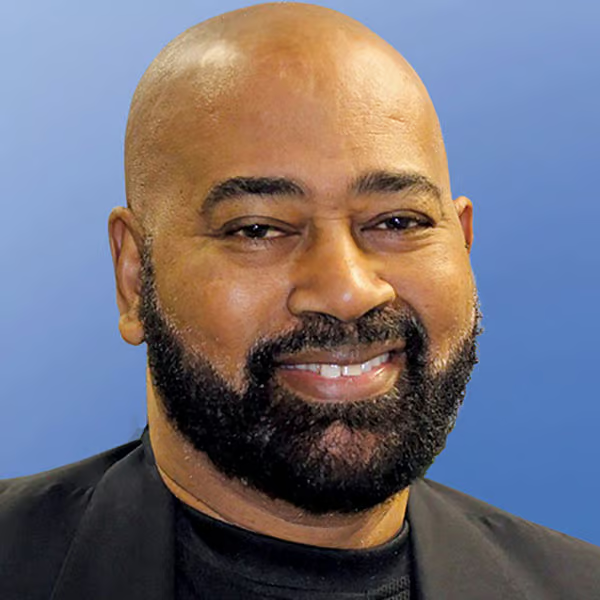

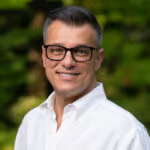
Kenneth V. Hardy, PhD, is President of the Eikenberg Academy for Social Justice and Clinical and Organizational Consultant for the Eikenberg Institute for Relationships in NYC, as well as a former Professor of Family Therapy at both Syracuse University, NY, and Drexel University, PA. He’s also the author of Racial Trauma: Clinical Strategies and Techniques for Healing Invisible Wounds, and The Enduring, Invisible, and Ubiquitous Centrality of Whiteness, and editor of On Becoming a Racially Sensitive Therapist: Race and Clinical Practice.
Becoming a racially and culturally sensitive therapist isn’t simply a matter of “learning the material.” It’s an ongoing process that requires actively and deliberately engaging in a dialogue with yourself and being continuously open to an expanding version of that self. In this didactic, interactive, and experiential workshop, we’ll go beyond the usual content-focused approaches to developing cultural sensitivity. Instead, using a Self of the Therapist framework, you’ll learn by doing as we explore processes of relational engagement, racial risk-taking, and critical self-reflection. You’ll walk away with concrete tools for promoting racial and cultural sensitivity that you can use with clients and trainees. And you’ll discover:
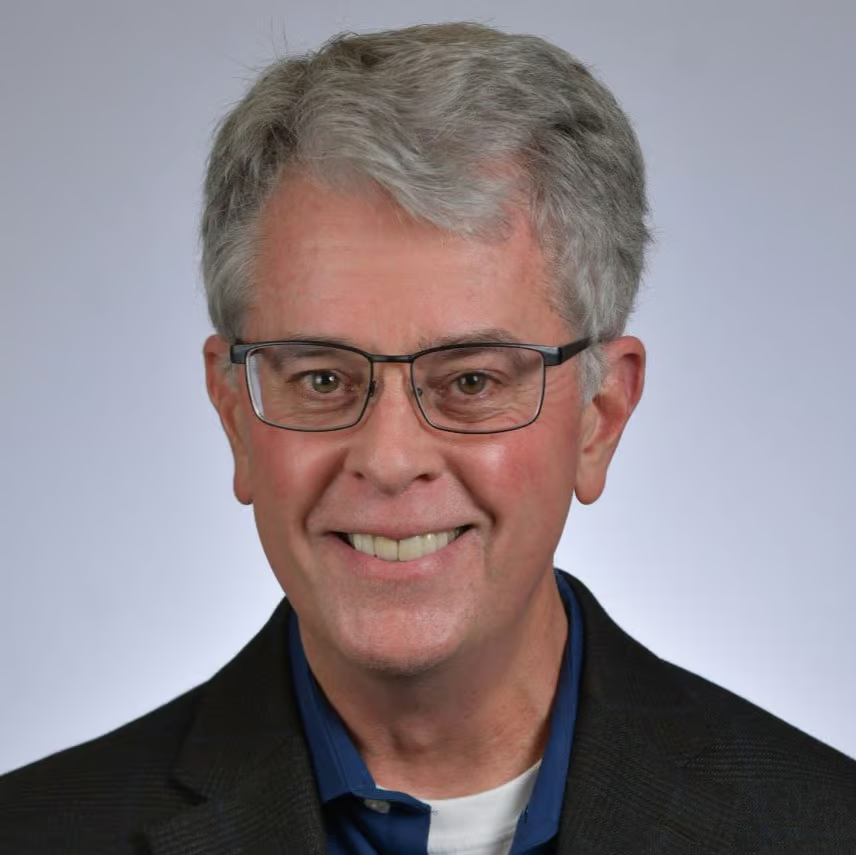
Terry A. Casey, PhD, is a Licensed Psychologist who conducts CE programs on ethical, legal, and practice issues across the country and has taught ethics in professional counseling at the graduate level for 17 years. He also maintains a private consulting practice near Nashville, Tennessee.
The ethical and legal landscape of private practice is complex, and the consequences of missteps can be costly. What many therapists don’t realize is that some of the most common ethical and legal pitfalls are the ones they’re least likely to anticipate. As a private practice owner, the stakes are higher—you’re responsible not only for the wellbeing of your clients but also for the long-term success and security of your business. In this advanced workshop, you’ll gain practical insights into identifying and avoiding both common and obscure risks that threaten the integrity of your practice. You’ll leave with a clear action plan to protect yourself and your clients, ensuring that your practice thrives without the looming worry of legal complications. You'll discover to:
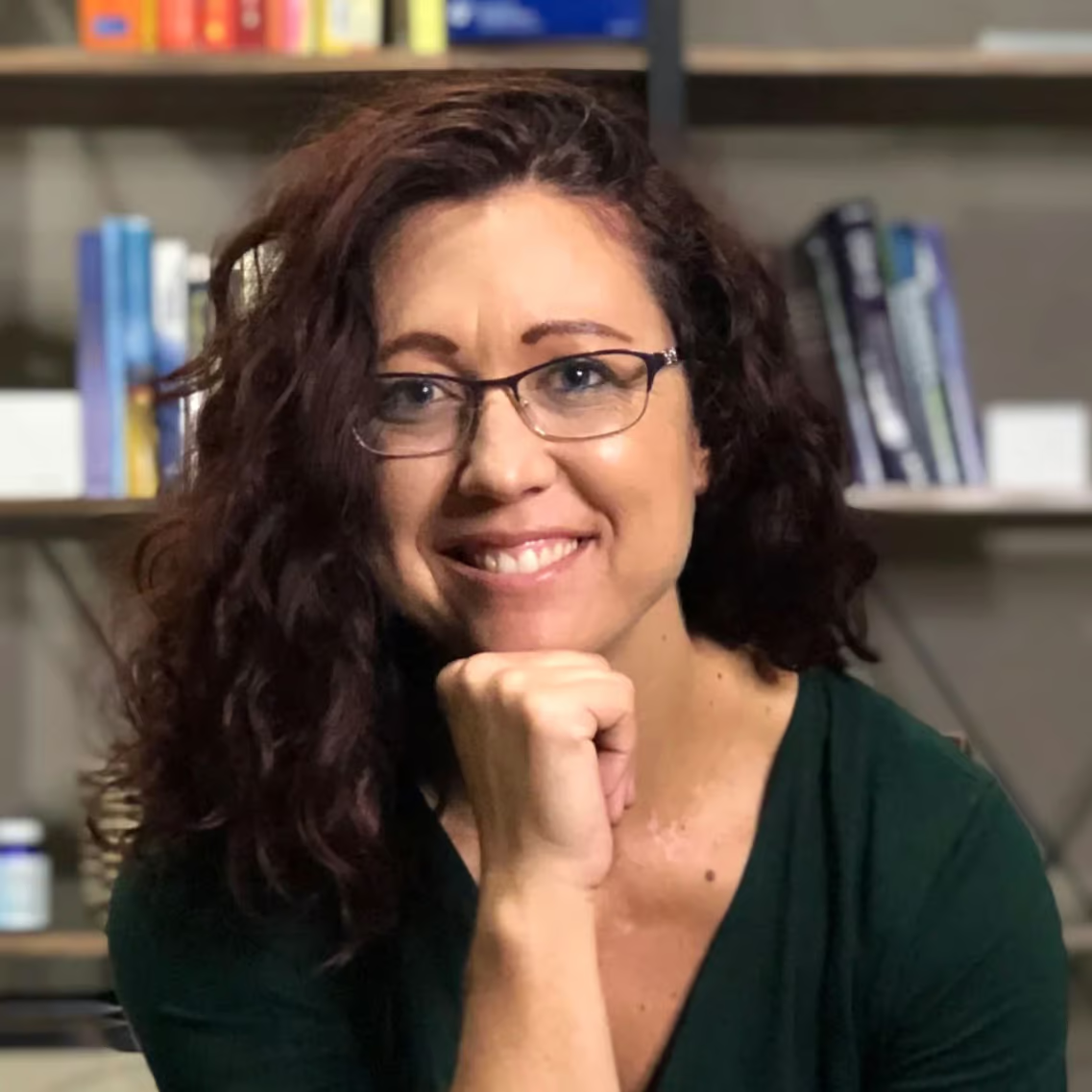
Aimie Apigian, MD, MS, MPH, is a double board-certified physician in preventive and addiction medicine, as well as a certified functional medicine practitioner with training in Somatic Experiencing and Instinctual Trauma Response, and a trainer in Relational Trauma Repair. Her recent book, The Biology of Trauma, explores the science of how the body experiences trauma, why it holds on to it, and the biology for healing.
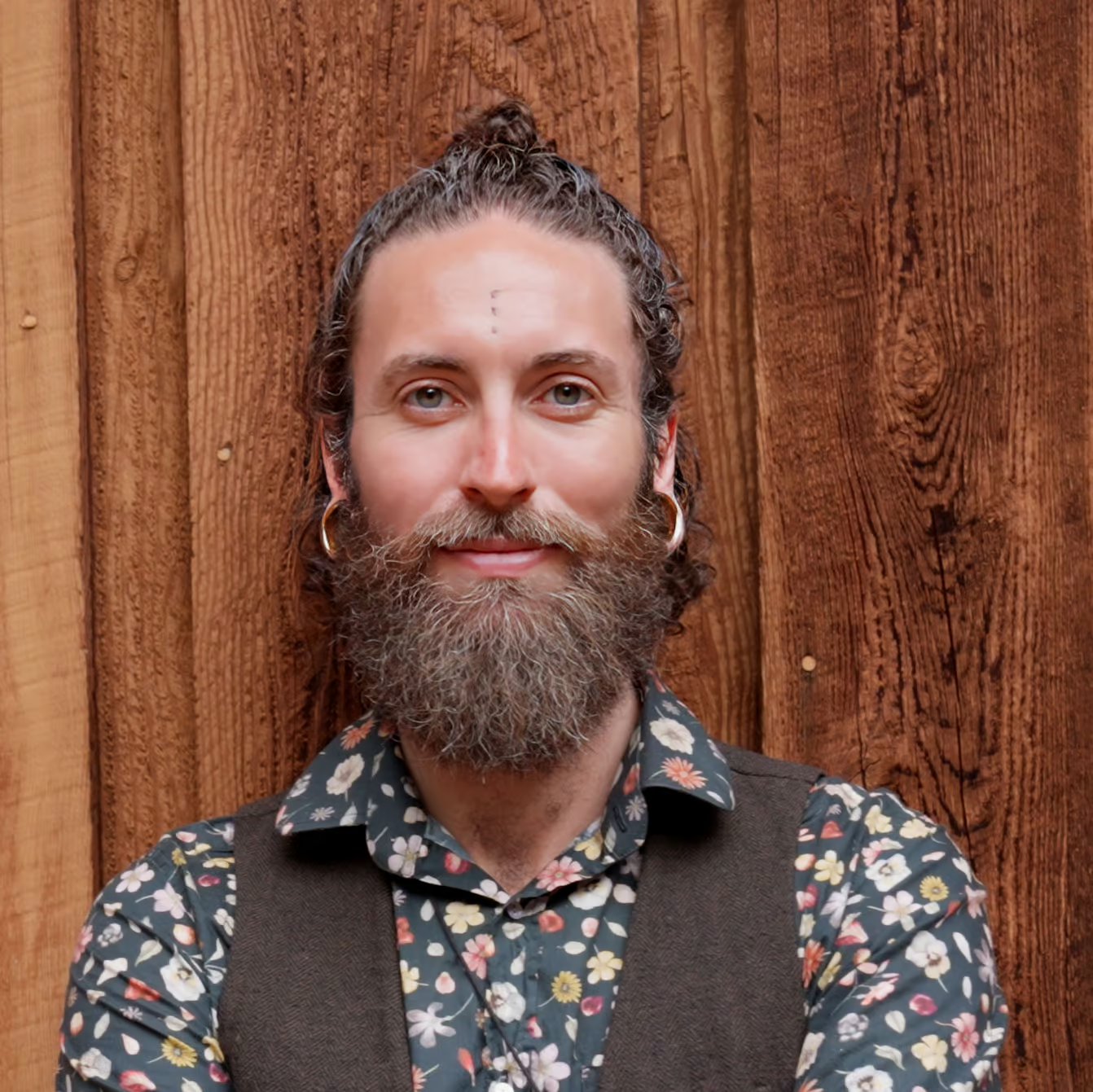
Luis Mojica is a nutritionist and the founder of Holistic Life Navigation, a company that helps people learn what their cravings are telling them about their unmet needs, as well as how to use food as a form of therapy to recover from stress, trauma, and addiction. He works internationally, offering webinars, podcasts, courses, and retreats. He’s the author of Food Therapy.
When is a snack not just a snack? Most therapists know that when it comes to trauma treatment, the body can be an invaluable resource. But rarely do we consider our clients’ relationship with food as part of the work. In this workshop, you’ll learn a revolutionary approach that shows what your clients’ eating habits and food choices reveal about their nervous system, activation patterns, and unmet emotional and biological needs. Together, we’ll zero in on how chemicals like adrenaline and cortisol drive eating behaviors, and through interactive exercises, somatic practices, and live demonstrations, you’ll learn practical tools that will help you better address your clients’ trauma symptoms and their relationship with food—even if you’re not a nutritionist! You’ll also learn:
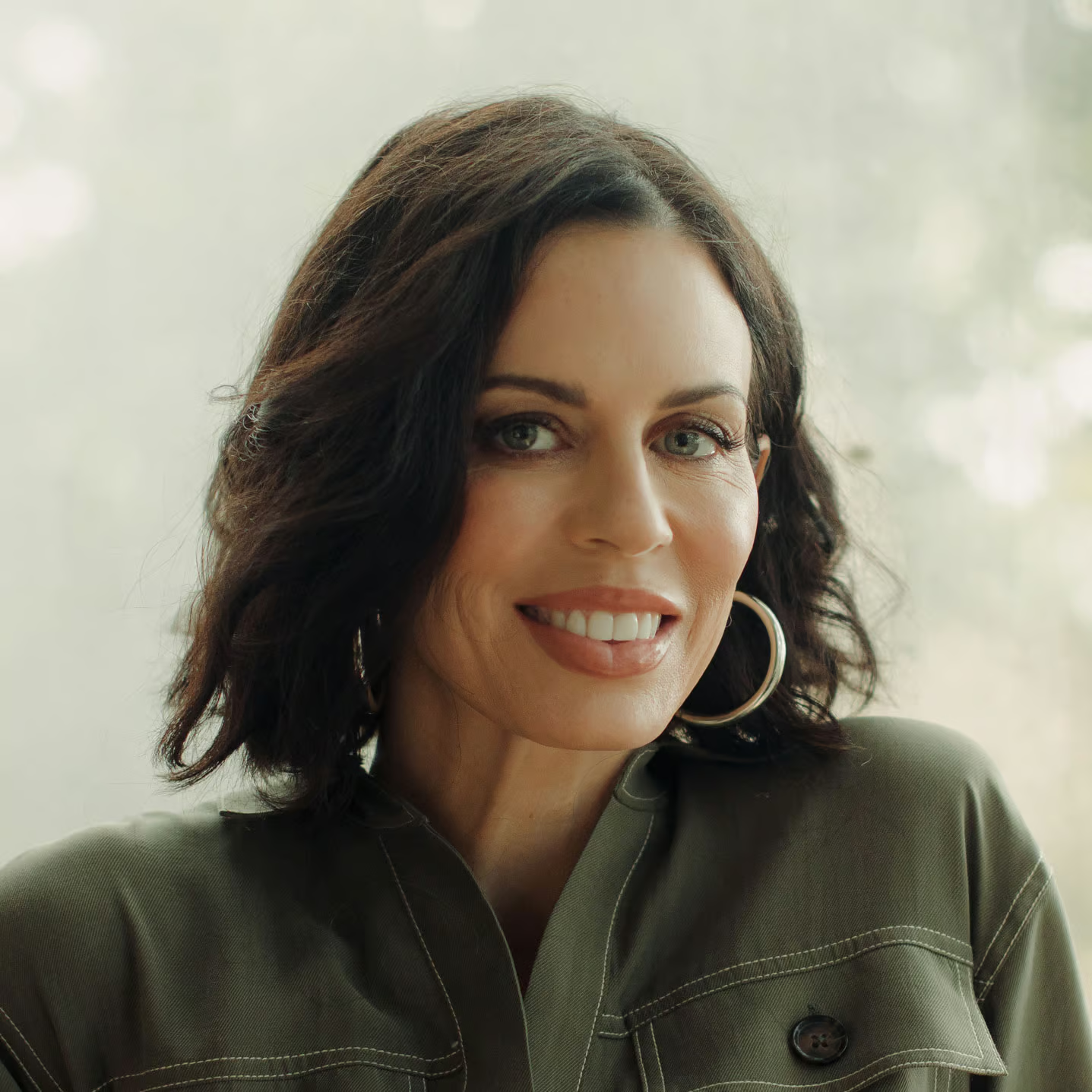
Katie Gustafson, MA, LPC, MHSP, is a psychotherapist, expert on the Enneagram, speaker, and host of the podcast Mid-Sentence.
What if your client’s Enneagram type wasn’t just a fixed identity, but a living system of protective parts shaped by fear, longing, and deeply held beliefs? This experiential, Enneagram-forward workshop introduces therapists to a fresh and clinically grounded way of using personality typing in clinical practice, pairing the wisdom of the Enneagram with the compassionate precision of Internal Family Systems (IFS) therapy. Using the Enneagram as the primary lens through which we view client issues and IFS therapy as the method of inner engagement, you’ll learn to recognize and work with the inner architecture of personality—not to fix it, but to befriend it. You’ll explore:
9:00 AM - 10:45 AM ~ Welcome & Morning Keynote
11:00 AM - 1 PM ~ Morning Clinical Workshops
1:30 PM - 2:45 PM ~ Luncheon Keynote
3:00 PM - 5:00 PM ~ Afternoon Clinical Workshops
7:00 PM - 8:30 PM ~ Evening of Comedy Event
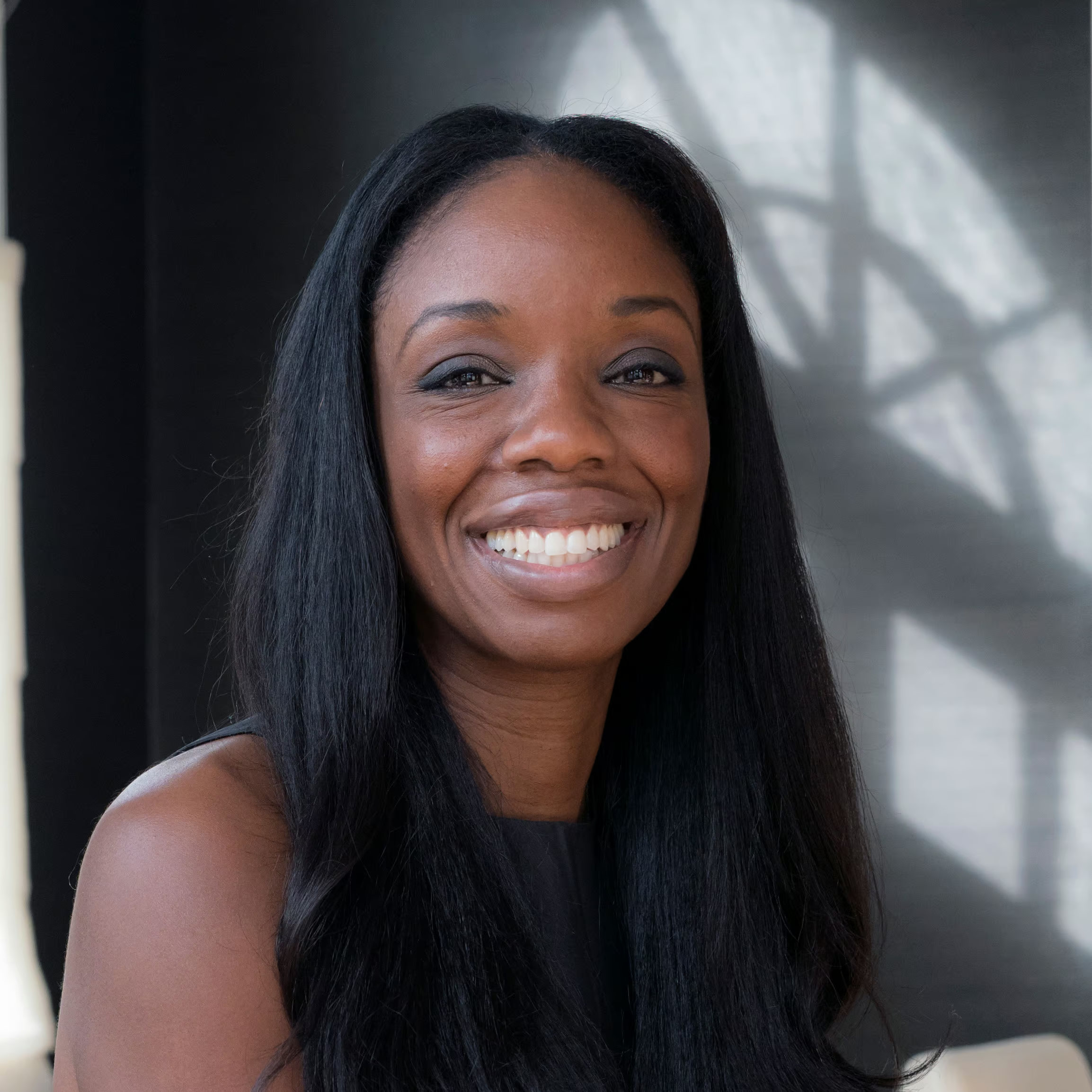
Few people have done more to promote awareness and advance public understanding of the impact of Adverse Childhood Experiences (ACEs) than Nadine Burke Harris, California’s first Surgeon General and the founder of San Francisco’s Center for Youth Wellness, which uses groundbreaking, evidence-based strategies to treat ACEs and toxic stress. According to Burke Harris, any trauma treatment is incomplete without understanding how ACEs can affect brain development, the immune system, hormonal systems, and even the way our DNA is read and transcribed. They cause lifelong harm to our mental and physical health, manifesting in poverty, abuse, depression, and much more, a point she’s brought to life in interviews with Oprah Winfrey, Ezra Klein, and Dax Shephard.
In this eye-opening keynote, Burke Harris will break down what science can teach us about mitigating the effects of ACEs as well as what we can do to change the future of integrative care.
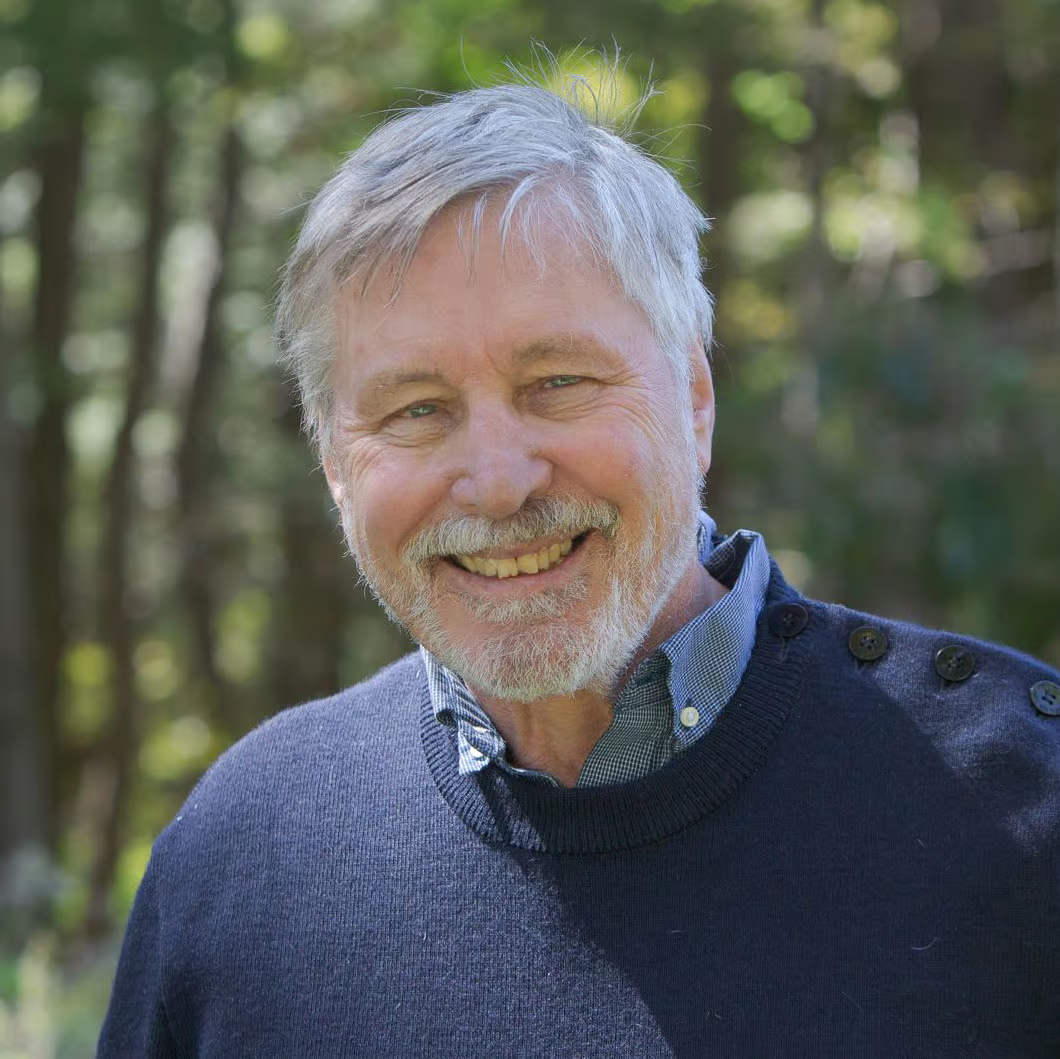
In this timely and provocative keynote, renowned psychiatrist and trauma expert Bessel van der Kolk will explore the deep psychological wounds that are currently eating away at the heart of American and global societies—and the implications for psychotherapists today. Drawing from decades of clinical work, neuroscience, and cross-cultural research, he will make the case that healing personal trauma is inseparable from addressing the current erosion of our social systems that make a great society. Through a blend of clinical insight and cultural reflection, this keynote will offer a powerful reminder of the social role of therapy—and the impactful role we can all play in a country and a world that has disconnected from the heart of what makes life great.
After a long day of honing your clinical skills, kick back with your friends and colleagues for an evening of comedy thrills with comedy sensation Danny Jolles!
Danny Jolles is an LA-based multi-hyphenate comedian best known for playing George in the CW’s Crazy Ex-Girlfriend. Additional credits in the acting space include spots on Ramy, Corporate, Aunty Donna’s Big Ol’ House of Fun, and Ted. His debut stand-up special titled Danny Jolles: Six Parts was recognized as one of the Best Comedy Specials of 2021 by the New York Times and made the list of Paste Magazine’s Top 10 of 2021. The follow-up was his interactive stand-up special You Choose: An Interactive Comedy Special, which earned rave reviews from Forbes, Vulture, and the New York Times.
Let’s face it: therapy is hard work. And while the insurance companies may not recognize a bad case of Comedy-Deficiency Disorder, we sure do! So it's okay to leave your notes, your DSM, and your inhibitions behind for tonight. We won’t tell.
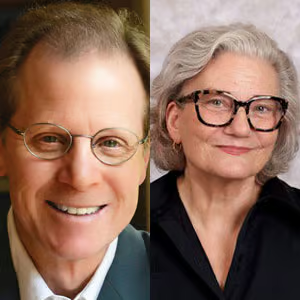
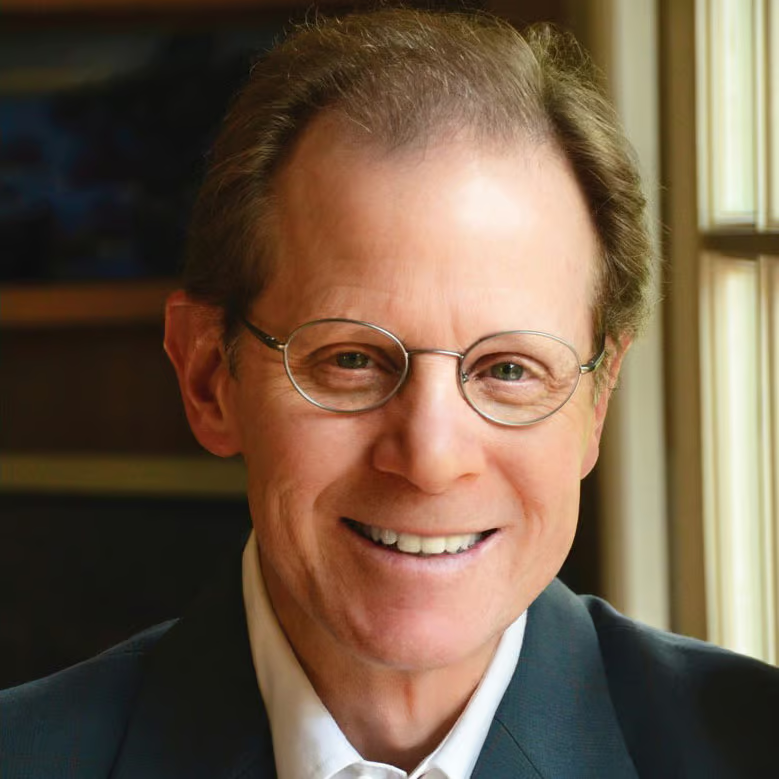
Dan Siegel, MD, is the founder and director of education of the Mindsight Institute and founding codirector of the Mindful Awareness Research Center at UCLA, where he was also coprincipal Investigator of the Center for Culture, Brain and Development and clinical professor of psychiatry at the School of Medicine. An award-winning educator, he’s the author of five New York Times bestsellers and over 15 other books. As the founding editor of the Norton Professional Series on Interpersonal Neurobiology (IPNB), he’s overseen the publication of over 100 books in the transdisciplinary IPNB framework.
Sally Maslansky, LMFT, is a psychotherapist and author whose lived experience with Dissociative Identity Disorder (DID) profoundly informs her clinical work and writing. Diagnosed in her mid-30s, she worked in therapy with Dan Siegel, receiving treatment grounded in Interpersonal Neurobiology (IPNB), Attachment Theory, and mindful awareness practices
How can you bring a transformative combination of hope, healing, and personal reinvention to your therapy practice? These are cornerstones of the revolutionary, multidisciplinary approach known as interpersonal neurobiology (IPNB), and in this workshop, you’ll learn how to bring these qualities to your own work, guided by psychotherapist and author Sally Maslansky and her former therapist, IPNB developer Dan Siegel. Through moving stories of survival and recovery, they’ll share the different sides of a therapeutic journey from a diagnosis of dissociative identity disorder to healing and a fuller sense of self. They'll explore how dynamic IPNB approaches can treat trauma and dissociated self-states not from the perspective of symptom management, but from a place of flexibility and hope. You’ll learn:
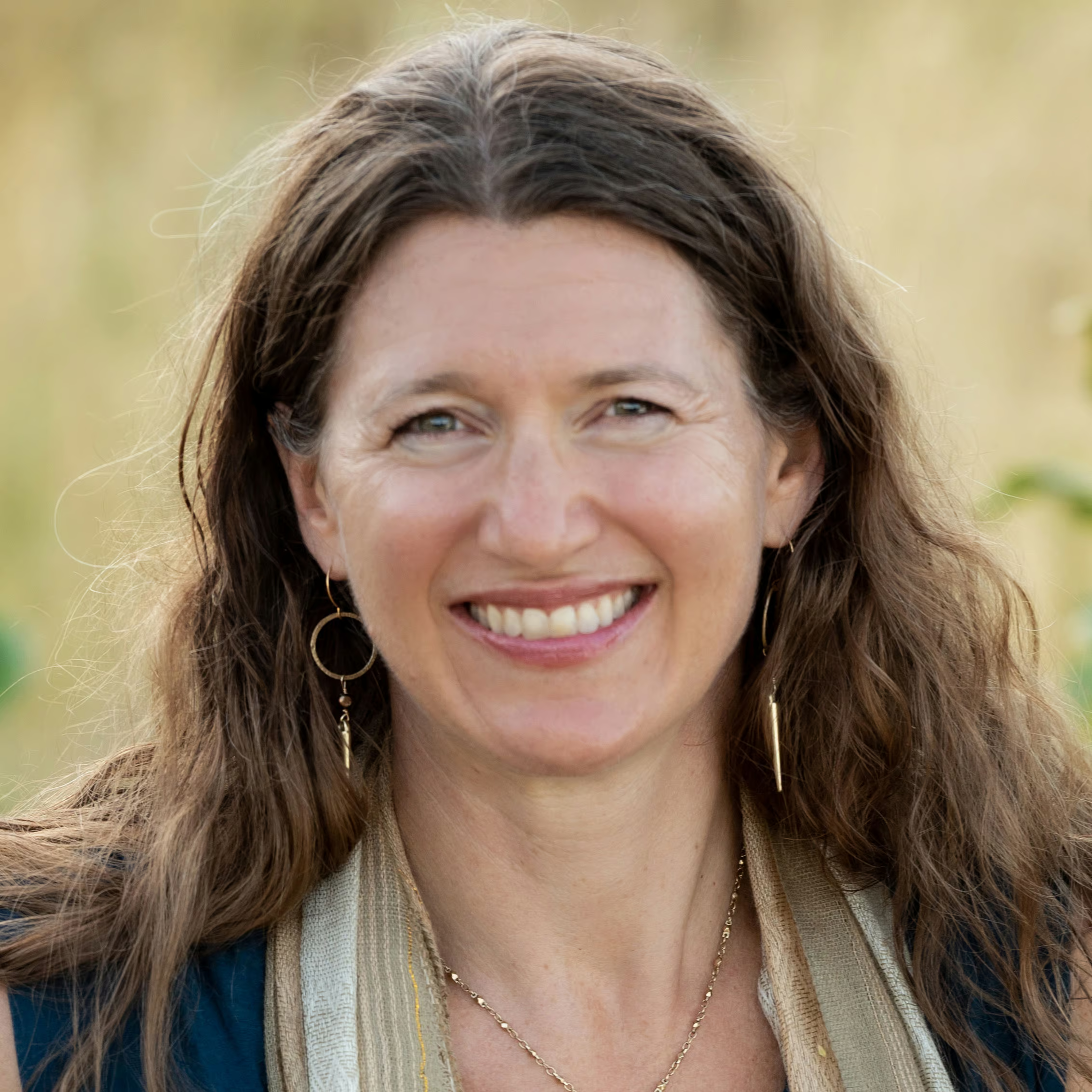
Arielle Schwartz, PhD, is a clinical psychologist, teacher, certified Kripalu yoga instructor, who specializes in treating PTSD and complex trauma. She’s the author of eight books, including Applied Polyvagal Theory in Yoga and The Polyvagal Theory Workbook for Trauma.
Rebecca Kase, LCSW, is a therapist, author, and national trainer known for her work integrating Polyvagal Theory with EMDR. She’s the author of Polyvagal-Informed EMDR, The Applied Polyvagal Flipchart, and The Polyvagal Solution.
Many of our clients who enter therapy feel overwhelmed, shut down, or emotionally dysregulated. From the very first moment we begin our work with them, embodied, attuned interventions can mean the difference between healing and retraumatization. This workshop integrates Polyvagal-informed interventions through a phase-based trauma recovery model, offering a neuro-informed roadmap to help our clients heal from trauma. You’ll learn to translate the science of safety into interventions that help clients foster stabilization, deepen their capacity for resourcing, and support memory reprocessing and integration. Whether you’re in the early stages of developing a therapeutic relationship or further along, these tools provide a grounded clinical compass for working with clients recovering from complex trauma. You’ll discover how to:
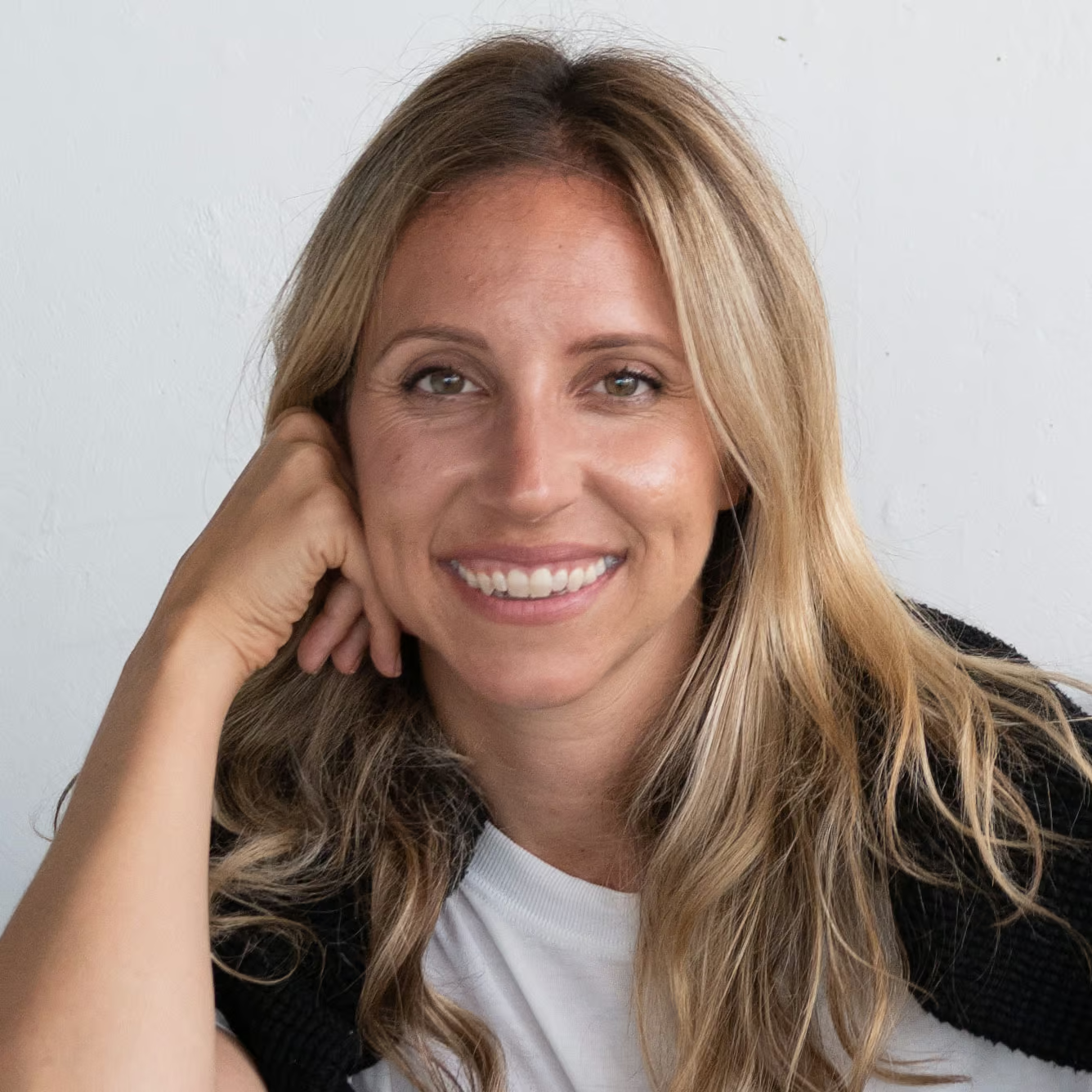
Vienna Pharaon, LMFT, is one of New York City’s most sought-after relationship therapists. She’s practiced therapy for more than 15 years and is the founder and owner of the group practice Mindful Marriage and Family Therapy. She's been featured in The Economist, Vice, and Motherly, and has led workshops for Peloton and Netflix, among others. She’s the author of the national bestseller The Origins of You.
We often focus on helping couples navigate conflict, pain, and disconnection in relationships—but what about moments of tenderness, joy, and goodness? For many clients, intimacy, kindness, and vulnerability feel deeply threatening and unfamiliar—even more uncomfortable than “negative” feelings and experiences. This workshop explores the protective function behind many clients’ tendency to reject or sabotage goodness in relationships, whether they’re giving or receiving it. You’ll learn how to help clients build the capacity to receive and give goodness in romantic relationships (as well as other relationships). You’ll discover how to help clients:
David Kessler, MA, RN, FACHE, is one of the world’s foremost experts on grief and the founder of Grief.com. He leads grief certification programs for professionals and online groups for those in grief. He’s the author of seven books, including Finding Meaning and his newest, Finding Meaning Workbook: Tools for Releasing Pain and Remembering with Love, as well as the coauthor of several books with Elisabeth Kübler-Ross and Louise Hay.
Paul Denniston, RYT 500, is the founder of Grief Yoga, which he teaches to counselors, psychologists, and healthcare professionals. He certifies other yoga teachers in the Grief Yoga Teacher Training. He’s also the author of the bestselling book Healing Through Yoga: Transform Loss into Empowerment.
As we grow older, change often arrives as a slow accumulation of losses: empty nests, ending careers, changing roles, health shifts, and fading friendships. Grief lives here, in the daily aches and pains, in the moments we feel left behind, and in the first time we say, “I can’t do this anymore.” And yet, this grief often goes unspoken, dismissed as a natural process of living and aging. In this workshop, you’ll learn how to name, recognize, and guide your clients through the often-unacknowledged grief that comes with growing older. Along the way, you’ll learn how to bring presence, permission, awareness, and concrete tools to your work with transitions that don’t often receive rituals, recognition, or repair. With strategies and spaciousness, you’ll learn how to name what’s hard and honor the quiet grief of aging. You’ll also explore:
Sara Nasserzadeh, PhD, is a social psychologist, speaker and thinking partner specializing in sexuality, relationships, and intercultural fluency. She’s authored three books, including Love by Design: 6 Ingredients for a Lifetime of Love, winner of the 2025 Vincent Clark Award from the California Association for Marriage and Family Therapists. She’s a Certified Sexuality Counselor and AASECT-approved provider, a Senior Accredited Member and Supervisor with COSRT (UK), and an Associate Marriage and Family Therapist in California.
What does a healthy breakup, separation, or divorce look like? While attachment theory has revolutionized our understanding of how clients form relationships, we've overlooked a crucial piece: how they end them. Research shows that the way people detach whether through dramatic exits, peaceful transitions, or emotional ghosting profoundly impacts their self-concept, resilience, and future relationship patterns. In this workshop, you’ll discover why some clients repeatedly find themselves in chaotic breakups while others vanish from relationships without explanation. You’ll also explore your own detachment patterns as you gain the clinical clarity needed to guide clients through one of life's most challenging yet growth-promoting experiences: transitions and letting go. Whether clients frame this process as detachment, transitioning, ending, pruning, or re-bucketing, each carries different emotional weight and therapeutic implications. You’ll learn to help clients:
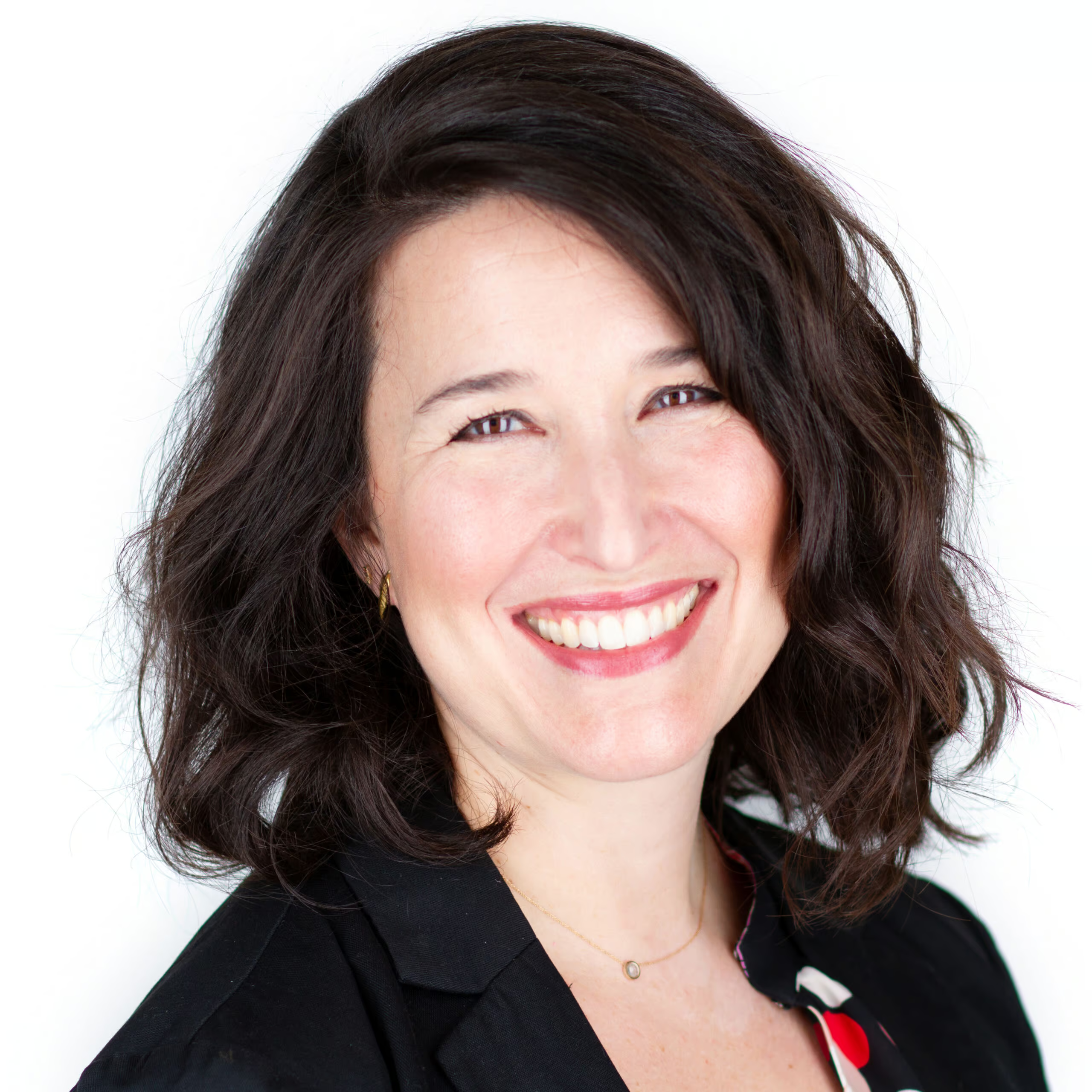
Sarah McCaslin, MS, MDiv, LCSW, is the executive director of the Psychotherapy & Spirituality Institute in New York City as well as a clinician and educator specializing in spiritually-informed psychotherapy. She’s an instructor at Union Theological Seminary and The Ackerman Institute for the Family, both in New York City, working at the intersection of psychotherapy, spirituality, and social justice.
Say your client asked if they could explore something deeply meaningful and potentially transformative with you? Of course you’d say yes, right? Well, there’s a good chance your clients are saying this without saying it—and too many of us are missing it when it happens. Even if your clients aren’t religious, they’re probably grappling with existential questions about who they are, where they belong, and what they believe. And if we feel unequipped, conflicted, or concerned about wading into these spiritual conversations, we’re missing incredible opportunities for healing. In this workshop, you’ll explore spiritual competence from a deep, nuanced framework, and learn an integrative approach that takes into account current research, ethics, culture, and the real-life complexity of many modern-day spiritual issues. You’ll discover:
Bessel van der Kolk, MD, is a pioneer clinician, researcher, and teacher in the area of posttraumatic stress. He’s the author of the ongoing New York Times bestseller, The Body Keeps the Score: Brain, Mind, and Body in the Treatment of Trauma.
For many trauma survivors, traditional talk therapy only goes so far. To facilitate lasting healing, clinicians must understand how trauma reshapes the brain and nervous system—and how to work directly with these changes. In this transformative workshop, we’ll draw on cutting-edge research to explore three emerging approaches that target the physiological roots of trauma: sensory integration, neurofeedback, and psychedelic-assisted therapy. Using real-world clinical examples, video case illustrations, and interactive discussion, you’ll gain practical tools to help clients access regulation, rewire trauma patterns, and reclaim a sense of agency. Plus, you'll learn how to assess which clients are best suited for these interventions and how to integrate them into your existing clinical framework. Discover:
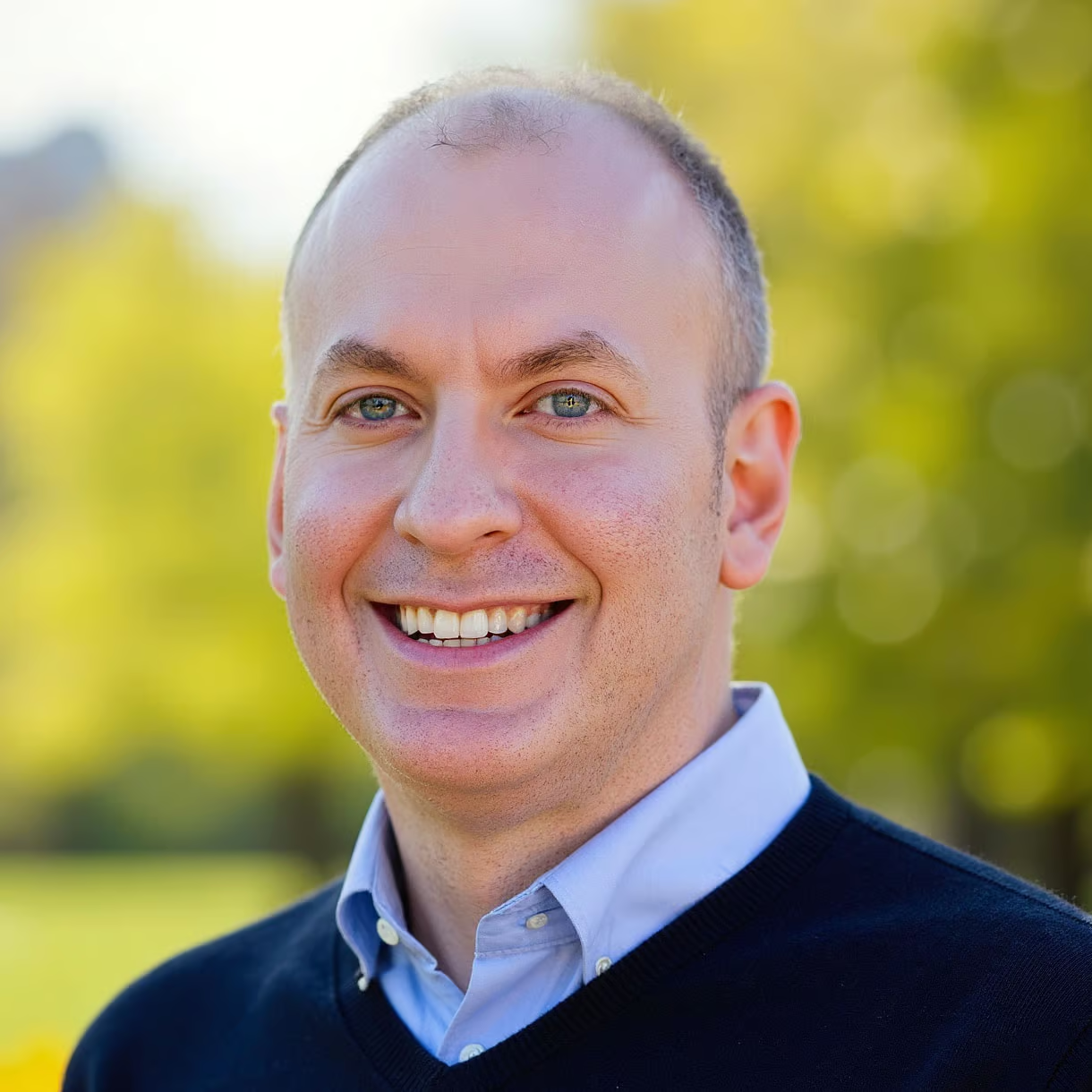
Craig Malkin, PhD, is a Harvard Medical School lecturer and clinical psychologist who specializes in the treatment of narcissism and echoism. His work has been widely featured, including in Time, The New York Times, NPR, and CBS. His internationally acclaimed book, Rethinking Narcissism, was twice named by the Oprah Winfrey Network as one of the most important books on narcissism.
Many clinicians struggle to treat narcissism because it’s so often misunderstood—and in the case of covert narcissism, frequently overlooked. More troubling still, this lack of understanding often leaves therapists unprepared for the deeper work: helping narcissists of all stripes take responsibility for the damage they do in both love and life. But if you know what to look for, there are inflection points: moments that can make or break the treatment. Once you learn to spot them, working with even the most defensive or combative clients becomes far easier—and far less daunting. Drawing on recent research and new insights into covert narcissism, this workshop offers practical strategies for growth and transformation in narcissistic clients. You’ll discover:
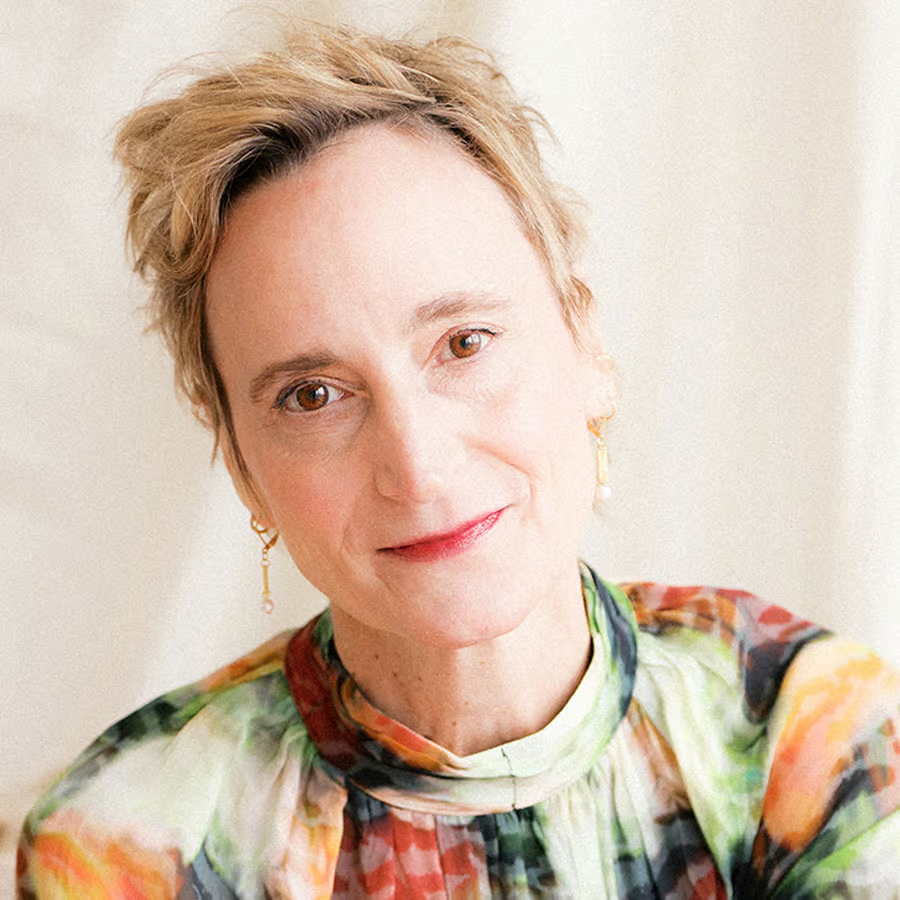
Laura Swinford, LCSW, EMDR-C, is certified in EMDR, trains therapists as part of PESI’s 6-month EMDR Certification Program, and provides EMDR consultation. With more than 15 years of clinical experience, she works in a group private practice specializing in trauma treatment and is a published author of research work in the mental health field.
Speaker Disclosures:
Financial: Laura Swinford has employment relationships with the University of Illinois and Crisis Nursery. She receives a speaking honorarium and recording royalties from PESI, Inc. She has no relevant financial relationships with ineligible organizations.
Non-financial: Laura Swinford has no relevant non-financial relationships.
EMDR and Polyvagal Theory have been game-changers in trauma treatment—and when combined, they create a neuro-informed framework for case conceptualization, treatment planning, and client transformation that should be in every therapist’s toolkit. Even when a client is resourced and ready for EMDR, the work can stall because their nervous system is distressed. In this workshop, you’ll learn an evidence-based, polyvagal approach to working with the autonomic nervous system during EMDR, moving beyond theory and into the real, messy, embodied experience of trauma reprocessing. We’ll explore how to spot blocked processing, pace bilateral stimulation according to the client’s bodily cues, and use your own regulated presence as a clinical tool. You’ll also learn how to:
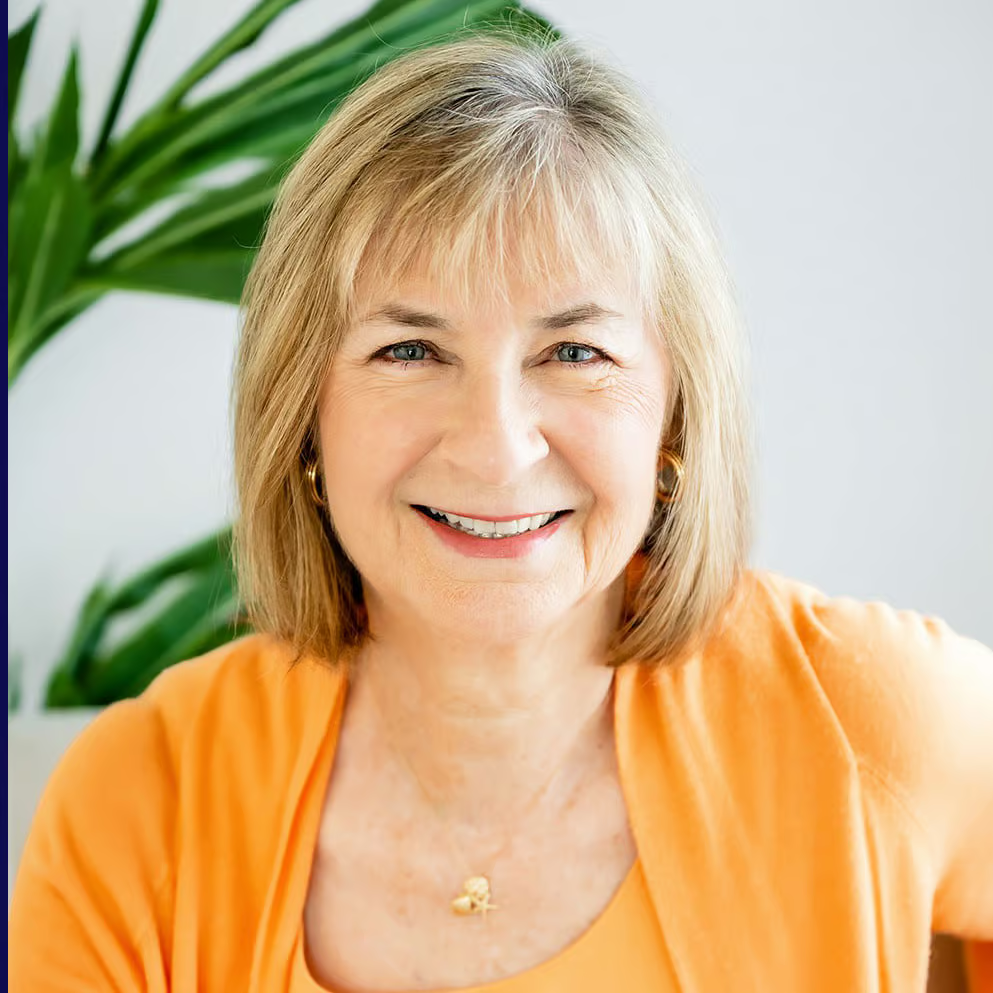
Lindsay C. Gibson, PsyD, is a clinical psychologist in private practice and author of the New York Times bestseller Adult Children of Emotionally Immature Parents: How to Heal from Distant, Rejecting, or Self-Involved Parents and Recovering from Emotionally Immature Parents: Practical Tools to Establish Boundaries and Reclaim Your Emotional Autonomy. Her books have been translated into 37 languages.
Because adult children of emotionally immature, self-absorbed parents tend to cope by over-compensating, and over-functioning, they may seem like they can handle anything. They tend to be self-reflective and self-aware, but their development has suffered from the premature expectation that they put other people’s needs first. In therapy, it’s easy to focus on their strengths, missing the profound loneliness and the low self-confidence lurking under the surface of their high-functioning presentation. In this workshop, you’ll learn to help adult children of emotionally immature parents process their dysregulated emotions and connect with a stronger sense of self, thereby restoring stress tolerance, capacity for deeper relationships, and feelings of entitlement to a meaningful life. You’ll also learn to help these clients:

Kory Andreas, LCSW-C is an autism-focused therapist, consultant, and writer. She specializes in delivering neurodiversity awareness and affirming strategies to mental health practitioners, treatment facilities, and the corporate world.
Autistic adults, many of whom have slipped through the cracks of outdated diagnostic models, are seeking therapy in record numbers. And given that traditional therapy interventions often fail—and can even harm—these high-masking clients, it’s critical that we update our thinking on how to best support them. This workshop will challenge what you think you know about Autism and introduce a modern, affirming framework rooted in identity, not pathology. We’ll replace ineffective generalist therapy techniques with strategies designed specifically for Autistic clients to help you build a more responsive and inclusive clinical practice. With clinical tools you can use immediately, you'll walk away with sharper insight, better language, and a new lens that serves your clients. You’ll discover how to:
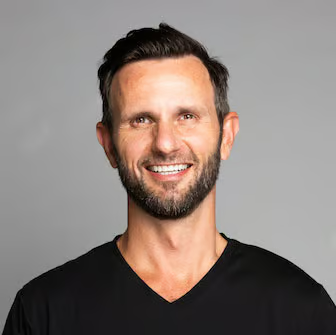
Nick Brüss, EdD, LMFT, is a leading IFS therapy expert and psychedelic psychotherapist with over a decade of experience as a therapist and clinical consultant. He’s the co-founder of the Psychedelic Coalition for Health, advancing psychedelic-assisted therapy through clinician training and public education, and serves as faculty at the Integrative Psychiatry Institute and TheraPsil and an educator at Psychedelic.Support.
Internal Family Systems therapy is among the most transformative, evidence-based frameworks used to help clients explore their inner worlds and resolve internal conflicts. But how do you help these clients solidify their IFS therapy gains in-between sessions, without your caring presence and expert guidance? In this workshop, you’ll deepen your understanding of IFS therapy, learning how to make it an accessible, daily practice for your clients. Together, we’ll walk through specific strategies that support clients’ emotional and spiritual growth, exploring ways to equip them with the tools they need to build greater self-awareness, resilience, and inner harmony. Using a blend of engaging demonstrations, experiential exercises, and focused discussions, we’ll examine several IFS therapy interventions you can immediately incorporate into your practice. You’ll learn:
9:00 AM - 10:45 AM ~ Welcome & Morning Keynote
11:00 AM - 1:00 PM ~ Morning Clinical Workshops
1:30 PM - 2:45 PM ~ Luncheon Keynote
3:00 PM - 5:00 PM ~ Afternoon Clinical Workshops
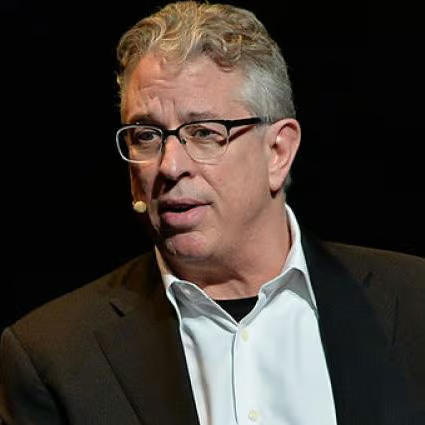
For decades now, Bruce Perry has illuminated how early relational experiences literally shape the architecture of the brain—building resilience or creating vulnerabilities that can echo across a lifetime. But the good news, Perry argues, is that the brain remains malleable, and carefully attuned therapeutic moments can spark deep and lasting change.
Perry—child psychiatrist, neuroscientist, and coauthor with Oprah Winfrey of the #1 New York Times bestseller What Happened to You?—is internationally recognized for transforming how we understand trauma and healing. His groundbreaking Neurosequential Model of Therapeutics has reshaped clinical practice, education, child welfare, and even sports programs worldwide. With decades of research, bestselling books (The Boy Who Was Raised as a Dog, Born for Love), and clinical innovation behind him, Perry brings unparalleled insight into how therapists can integrate neuroscience and relational wisdom to create conditions for recovery and growth.
In this keynote, he’ll show how therapy works not just in theory, but in the living moment—where neuroscience meets empathy, and where even clients suffering the deepest trauma can rediscover their capacity to heal.
How to help narcissistic clients, and even whether you can make meaningful progress with them, is one of the hottest and most misunderstood topics in psychotherapy today. And it’s bumping up against a massive cultural movement that aims to shed light on the dynamics of narcissistic abuse.
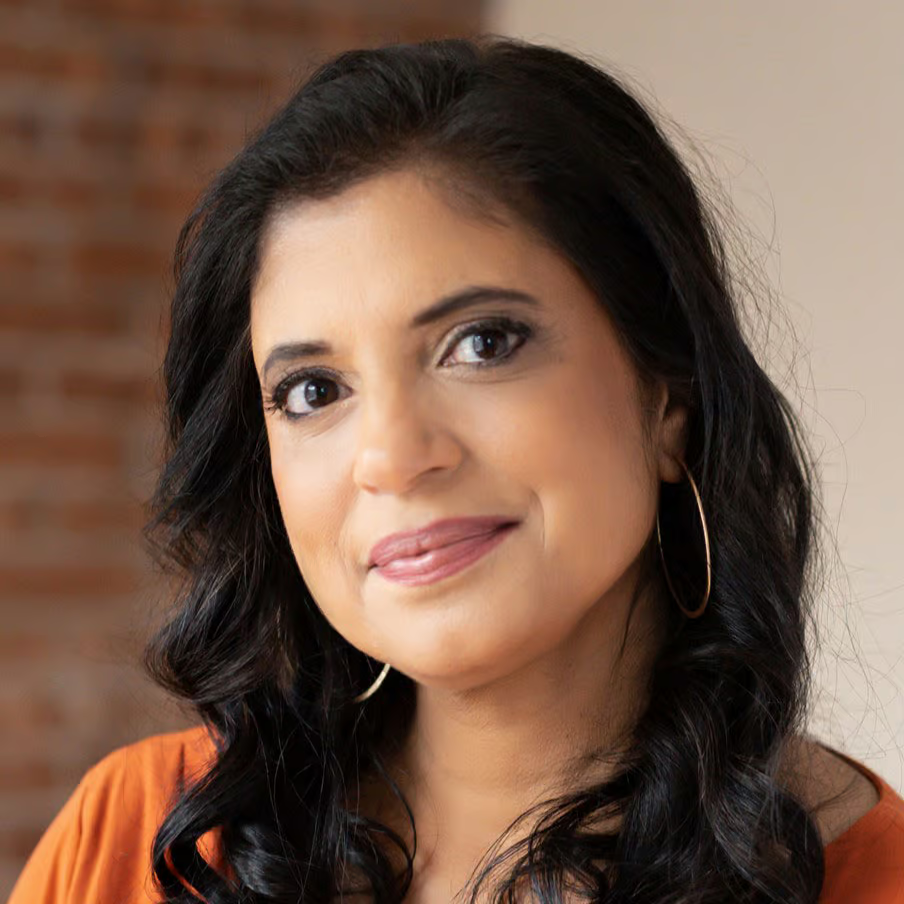
No one has been more focused on this survivor-focused movement than Ramani Durvasula, who in many ways has led the charge on introducing narcissistic abuse into our cultural lexicon. With almost 40 years of clinical experience, several New York Times bestselling books, and countless media appearances—from TEDx and SxSW to YouTube and Instagram, where her videos have accumulated tens of millions of views—she’s changed the way we view the effects of narcissism on others.
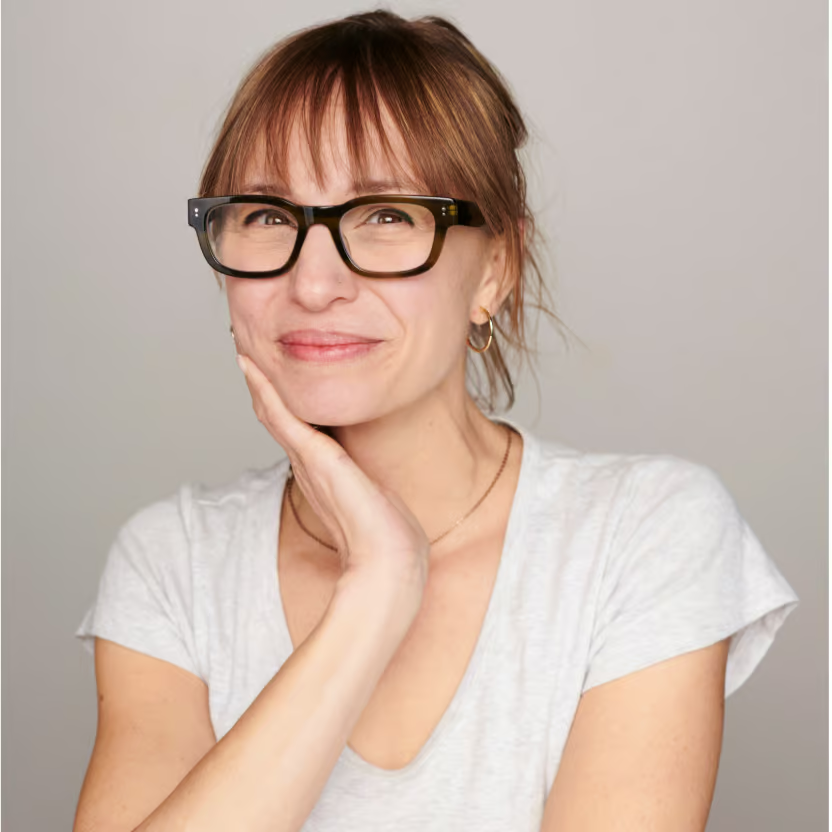
Joining her this keynote conversation is world-renowned therapist Craig Malkin, who specializes in the challenging work of treating narcissists, covert and grandiose alike. A Harvard Medical School lecturer and a New York Times bestselling author, whose book Rethinking Narcissism was twice named by the Oprah Winfrey Network as one of the most important books on narcissism, he’s added deep insight and necessary nuance to what we think we know about this antagonistic personality style. In calling attention to the "narcissism epidemic," he’s helped us ground narcissism in universal human motives and recognize the value of “healthy” narcissism.
As they meet for the first time in this can’t-miss clinical discussion, they’ll share how their work overlaps and where their views diverge. You’ll discover why dynamics matter more than diagnosis, how to understand narcissism on a spectrum of self-enhancement, and why many abusive people are unlikely to change and what this means for their partners.
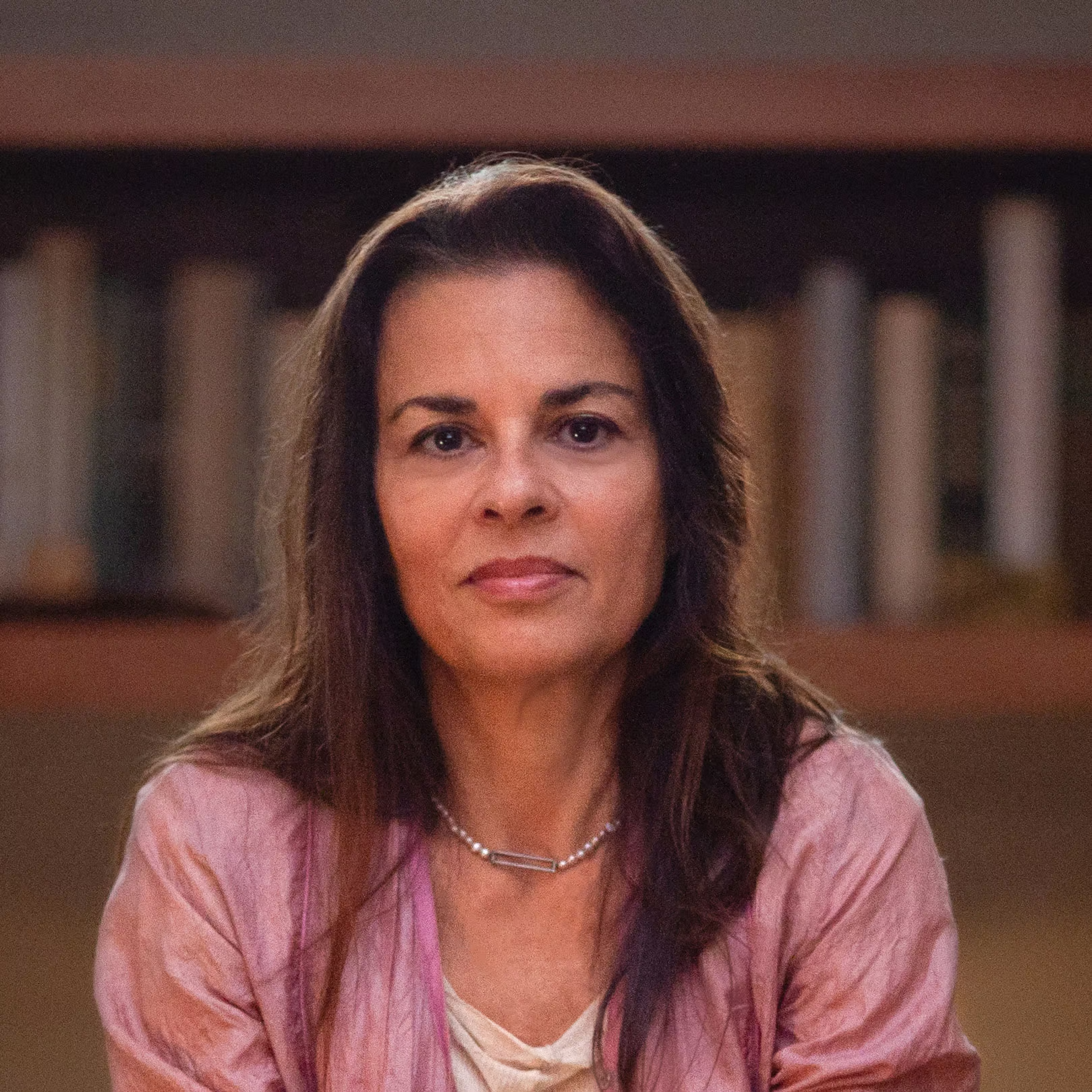
Join us for an intimate and unforgettable evening with Dr. Orna Guralnik, the acclaimed psychoanalyst and star of the groundbreaking Showtime series Couples Therapy. In this exclusive dinner event, Dr. Guralnik will share clinical insights and behind-the-scenes stories from the show that’s redefined how millions view psychotherapy.
More than just a television figure, Dr. Guralnik brings decades of clinical experience, a fierce intellect, and a deep curiosity about the human condition to every couple she treats.
This is a rare opportunity to connect with her in an intimate setting, explore the nuances of relational work, and get your questions answered directly. Seating for this exclusive dinner event is VERY limited for this special evening—reserve your spot early to be part of this unique experience at the heart of the 2026 Symposium.
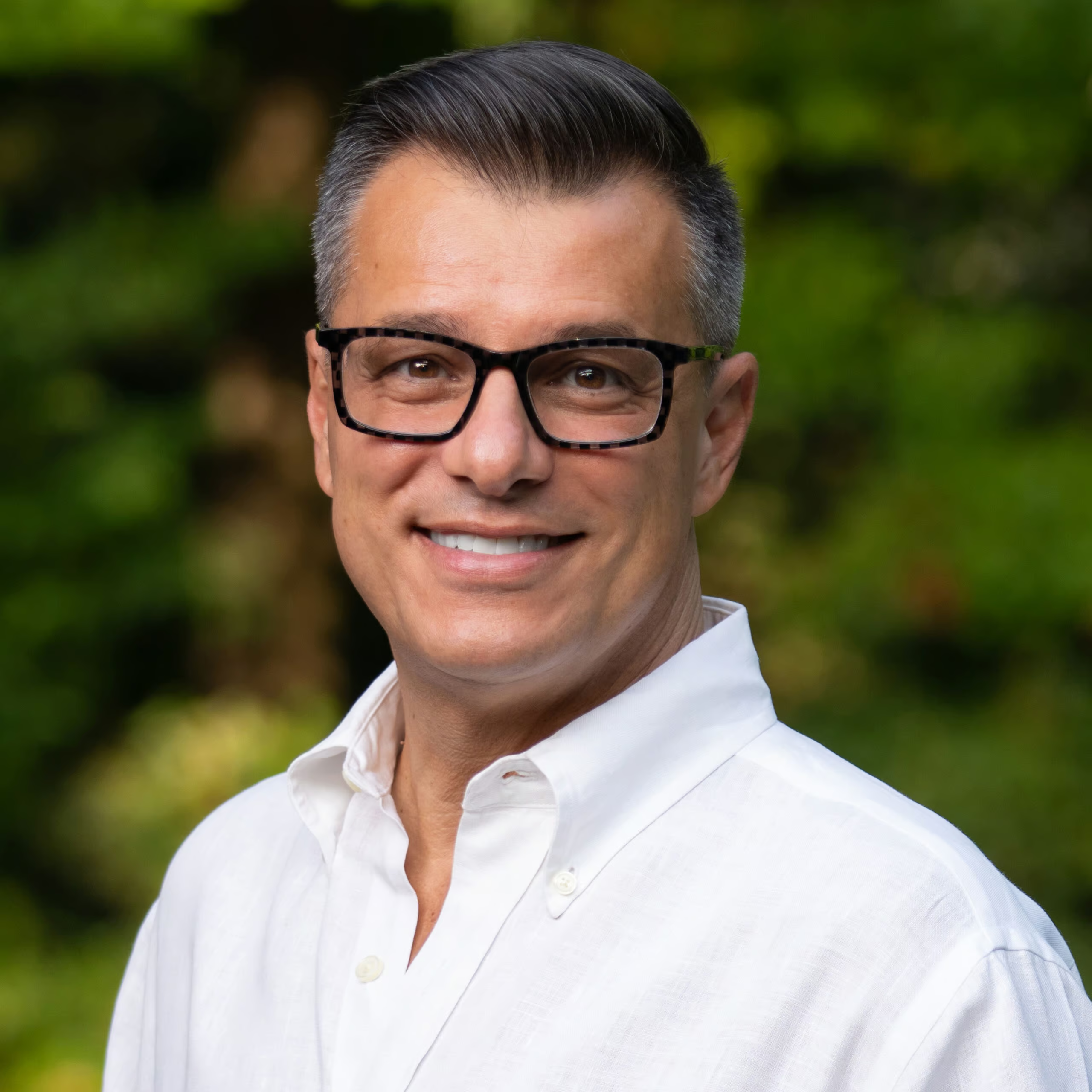
Frank Anderson, MD, is a world-renowned trauma treatment expert, Harvard-trained psychiatrist, and psychotherapist. He’s the acclaimed author of Transcending Trauma and coauthor of Internal Family Systems Skills Training Manual. As a global speaker on the treatment of trauma and dissociation, he’s passionate about teaching brain-based psychotherapy and integrating current neuroscience knowledge with the Internal Family Systems model of therapy.
Internal Family Systems (IFS) therapy continues to evolve as a leading approach for trauma treatment, supported by growing neuroscience and clinical evidence. It’s among the most effective, targeted approaches to help clients find safe ways to connect to early childhood emotions, tapping into their innate wisdom, and transforming negative beliefs to help them achieve lasting change. In this dynamic workshop, you’ll learn how to integrate IFS therapy with neurobiological and trauma-informed care to deepen your understanding of parts work—whether you’re a seasoned IFS therapy practitioner or just getting started. Blending didactic teaching and clinical demonstrations, we’ll walk through emerging techniques for working with extreme protectors, dissociation, and complex trauma, examining the latest research on memory reconsolidation and polyvagal integration in the process. You’ll learn how to:
This product is not endorsed by, sponsored by, or affiliated with the IFS Institute and does not qualify for IFS Institute credits or certification.
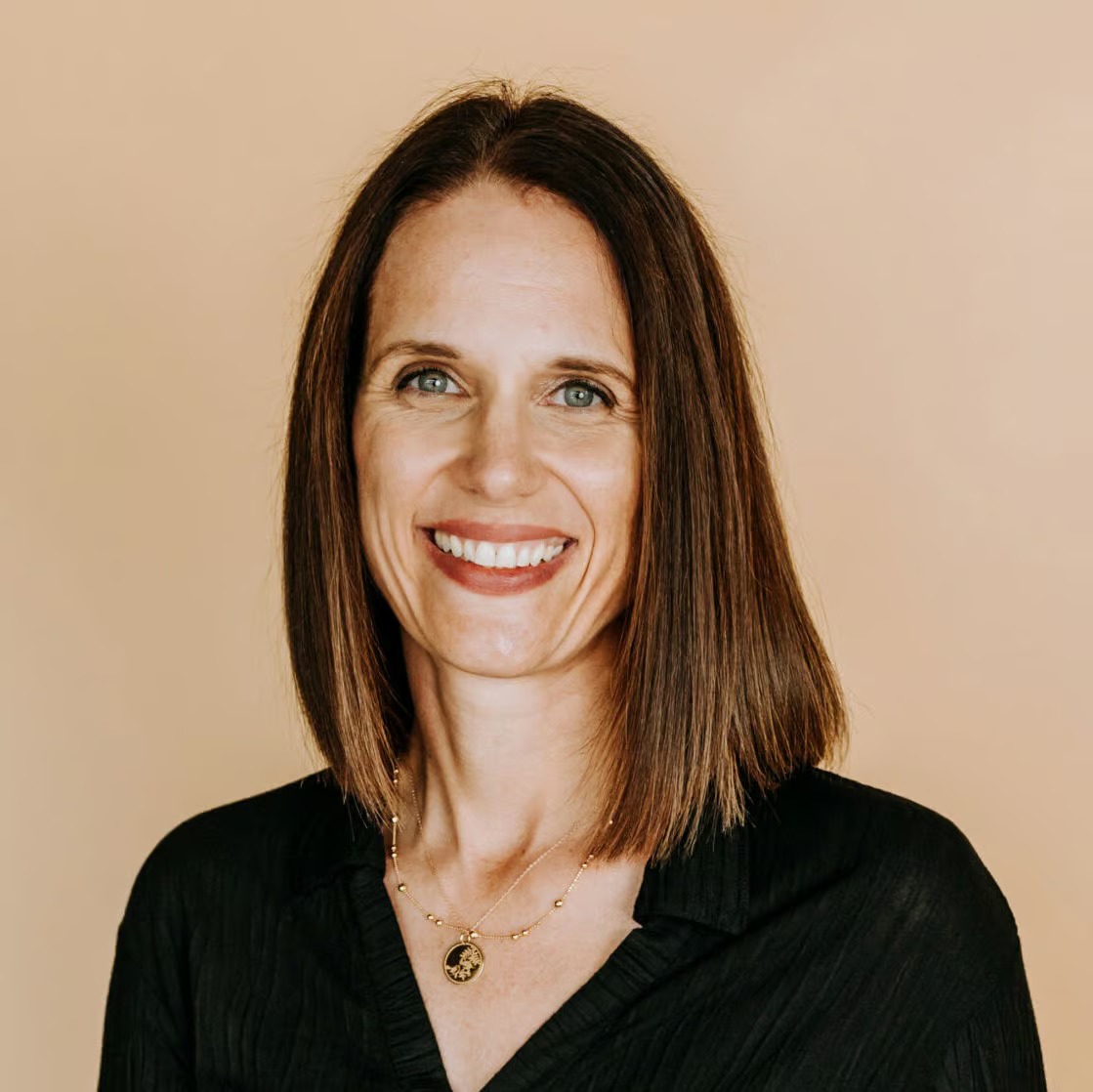
Julie Menanno MA, LMFT, LCPC, is a therapist, author, educator, masterful interpreter of Attachment Theory, and an Architect of Emotional Connection. She’s the author of Secure Love and the creator of The Secure Relationship, a platform that has reached millions worldwide, with a mission to dismantle the barriers that keep people from experiencing the joy of deeply connected, secure relationships.
Grounded in attachment theory and Emotionally Focused Therapy (EFT), this workshop offers a clear, practical roadmap for helping couples build lasting, secure bonds. Therapists will learn to identify insecure attachment patterns, guide partners toward emotional responsiveness, and interrupt destructive cycles with language and interventions that foster connection rather than conflict. You’ll walk away with scripts, session structures, and therapeutic mindsets to help couples move from disconnection to attunement. This session emphasizes therapist attunement, co-regulation, and emotionally corrective experiences as essential to transforming relational distress into secure functioning partnerships. You’ll discover:
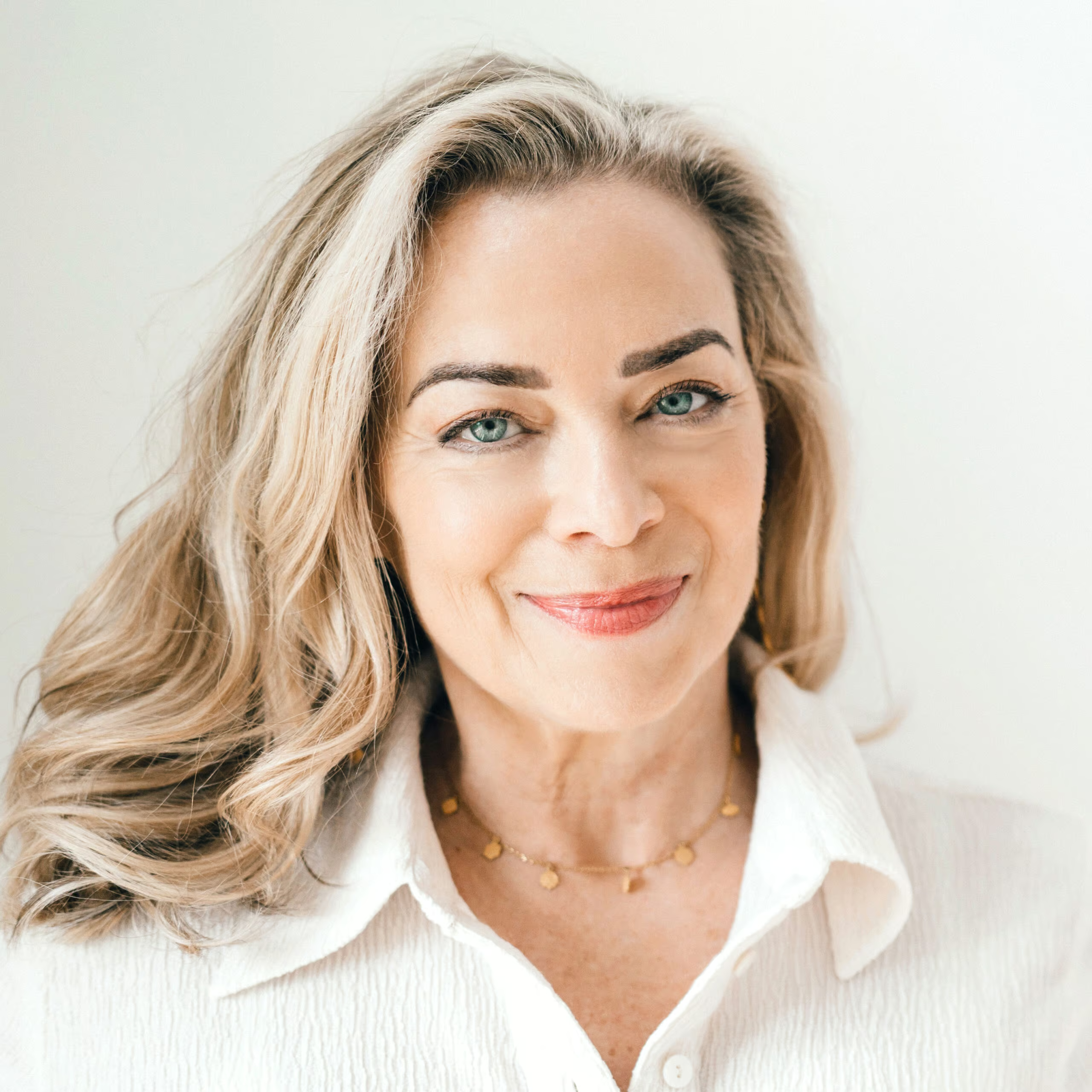
Terri Cole, MSW, LCSW, is a licensed psychotherapist and the author of Boundary Boss and Too Much! For over two decades, Terri has worked with a diverse group of clients that includes everyone from stay-at-home moms to celebrities and Fortune 500 CEOs. She reaches over a million people weekly through her blog, social media platform, courses, and podcast, The Terri Cole Show.
Not all clients come to us in crisis; some come to us in control. These clients are composed, competent, and high achieving, yet beneath the surface, they’re over-functioning in every area of their lives: fixing, managing, caretaking, and producing at an exhausting, relentless pace. This over-functioning pattern is rarely flagged as codependent because it presents as hyper-responsibility or “just being helpful.” But it often comes at a high cost: burnout, resentment, anxiety, and emotional disconnection. In this workshop, you’ll explore a clinically informed approach to help clients break this pattern of high-functioning codependency by building healthy boundaries, shifting from compulsive doing to conscious being, and engaging in sustainable self-care. You’ll discover practical interventions to reframe what healthy “helping” looks like by helping clients:
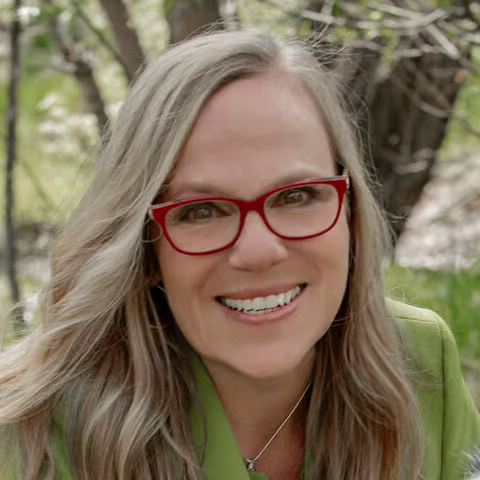
Sally Spencer-Thomas, PsyD, is a clinical psychologist and internationally recognized expert in suicide prevention and postvention. She’s the cofounder of United Suicide Survivors International and has led pioneering efforts to engage lived experience in mental health solutions. Her eight-session clinical model, Navigating the Tsunami After Suicide, is built upon years of collaboration with researchers, survivors, and global leaders in postvention.
Supporting clients who’ve been impacted by suicide—whether they’ve lost a loved one, survived an attempt, or live with chronic suicidal thoughts—requires more than good intentions; it demands deep ethical reflection and culturally attuned practices. But the intense isolating and traumatizing experience that accompanies suicide can leave clinicians feeling overwhelmed, and liability fears and unconscious bias can silently compromise the therapeutic alliance. In this workshop, we’ll explore the evolving ethical landscape of suicide-informed care, drawing from contemporary ethics frameworks, cultural humility practices, and lived experience perspectives. By the end, you’ll walk away with tools that will help you safely, respectfully, and competently give support. You’ll also learn:
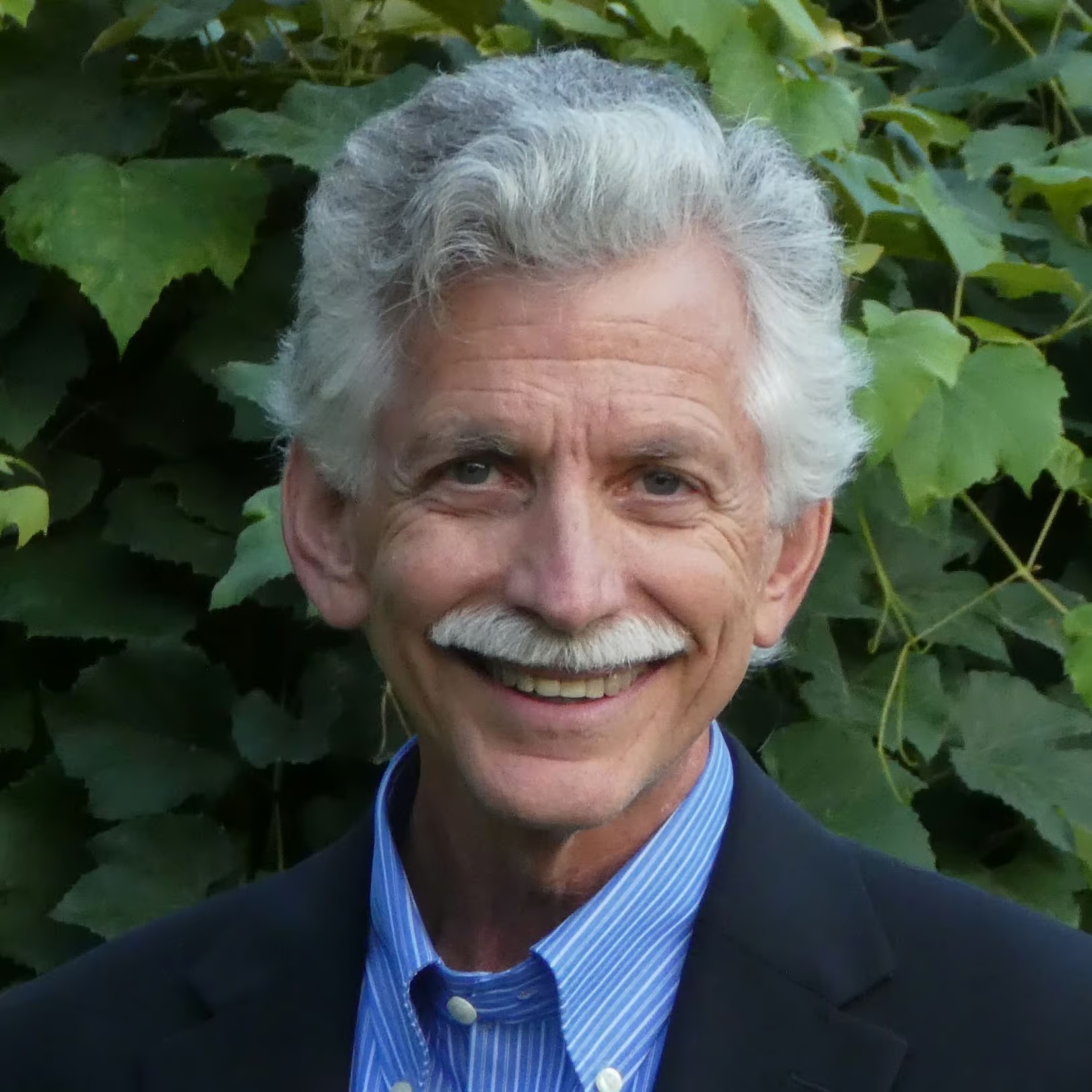
Ronald D. Siegel, PsyD is Assistant Professor of Psychology, Harvard Medical School and author of The Extraordinary Gift of Being Ordinary: Finding Happiness Right Where You Are and The Mindfulness Solution: Everyday Practices for Everyday Problems.
“Did I sound stupid?” “Should I have sent that email?” “How do I look?” Why do we, and our clients, spend so much time feeling self-conscious and comparing ourselves to others? Why do we struggle to live up to inner ideals or outer standards, only to regularly feel not good enough and either ashamed of our shortcomings or stressed-out trying to keep our self-esteem afloat? The assumption that we can find lasting happiness by being more successful, likable, attractive, intelligent, or morally above reproach is so woven into our biology and culture that few of us notice it’s not actually true. Sure, having success or otherwise getting to think highly of ourselves feels good—but it's not a permanent feeling. In this workshop, we’ll zero in on how we and our clients can begin to step off the self-evaluation roller coaster. We’ll explore:
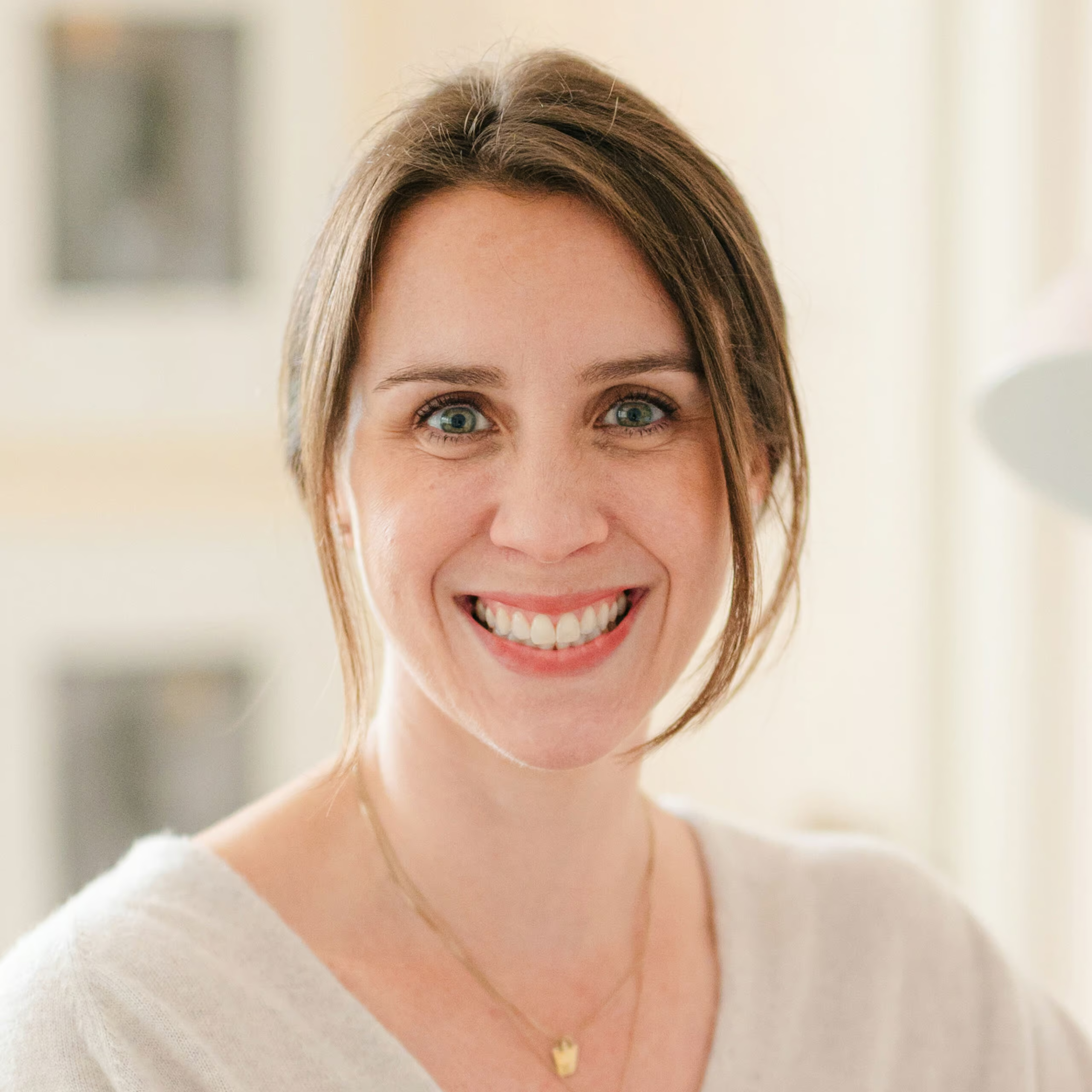
Isabelle Morley, PsyD, is a clinical psychologist, EFT-certified couples therapist, author, and speaker. She’s the author of They’re Not Gaslighting You: Ditch the Therapy Speak and Stop Hunting for Red Flags in Every Relationship and the coauthor of Navigating Intimacy: An Introductory Guide to Couples and Sex Therapy. She cohosts the Rom-Com Rescue podcast and writes for Psychology Today in her blog, Love Them or Leave Them.
My husband is a narcissist. I have undiagnosed ADHD. Everyone in my life disrespects my boundaries. Have you heard something similar in your office? You’re not alone. More than ever, our clients are coming to therapy with firm diagnostic conclusions and an array of clinical language they’ve picked up on social media. As access to online mental health content has exploded, so too has armchair diagnosing and therapy speak, leaving us in a challenging position: do we challenge or correct our clients when they incorrectly use clinical terms, or do we try go along with their conclusions in an attempt to preserve the therapeutic relationship? In this workshop, you’ll learn how to broach the issue of “pop pathology” in a way that maintains trust and rapport while guiding clients toward deeper understanding and growth. You’ll discover how to:
Janina Fisher, PhD, is a licensed clinical psychologist, founder of Trauma-Informed Stabilization Treatment (TIST), advisory board member of the Trauma Research Foundation, and coauthor with Pat Ogden of Sensorimotor Psychotherapy: Interventions for Attachment and Trauma and author of Healing the Fragmented Selves of Trauma Survivors: Overcoming Self-Alienation and Transforming the Living Legacy of Trauma.
The inner critic gets a bad rap. Yes, we know negative self-talk is harmful and intrusive self-judgments can result in lifelong guilt, self-loathing, hopelessness, and shame. But the inner critic is also a useful adaptation in a dangerous world. Self-rejection and self-criticism are a way children maintain their attachment to abusive attachment figures. So how do we work effectively with it in therapy, acknowledging its original purpose while undoing its destructive power? In this workshop, you’ll learn to help clients cultivate mindful awareness of the inner critic so they can overcome its familiar, trauma-related thought patterns. You’ll discover powerful strategies for challenging it as a truth teller and understanding it as an anxious, protective, trauma-related part. You’ll learn to help clients:
Ramani Durvasula, PhD, LCP, is a psychologist and the founder of LUNA Education, Training and Consulting, LLC. She’s professor emerita of psychology at California State University Los Angeles, and the author of multiple books, including the New York Times Bestseller It’s Not You: Identifying and Healing from Narcissistic People.
The increased focus on working with clients who are navigating, being harmed by, or experiencing the fallout of relationships with individuals with antagonistic personality styles, such as narcissism, requires clinicians to be aware of the subtleties raised by these cases. After all, the client in the antagonistic relationship brings their own personality, schemas, self-reflective capacity, and regulation—and there’s tremendous heterogeneity in these clients’ presentations. In addition, narcissistic relationships typically entail relational trauma and betrayal, all of which can contribute to a complex clinical picture and magnify existing personality issues. In this workshop, we’ll focus on the importance of assessment and psychological safety. You’ll discover:
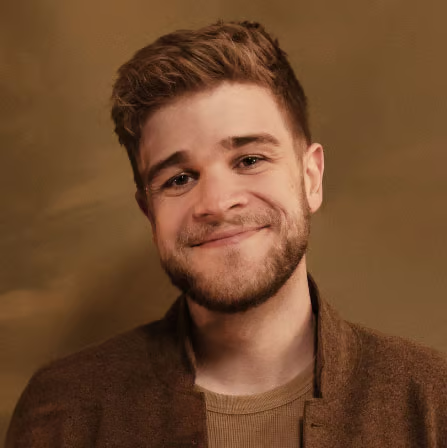
Matthias Barker, LMHC, is a psychotherapist widely recognized for his unique approach to making mental health knowledge and skills accessible to the wider public. Through platforms like Instagram, TikTok, Facebook, and his top-ranking Spotify podcast, he delivers psychoeducational content to a following of over 4 million people. He’s the founder of estrangement.com, the largest online platform that serves both parents and adult-children facing estrangement.
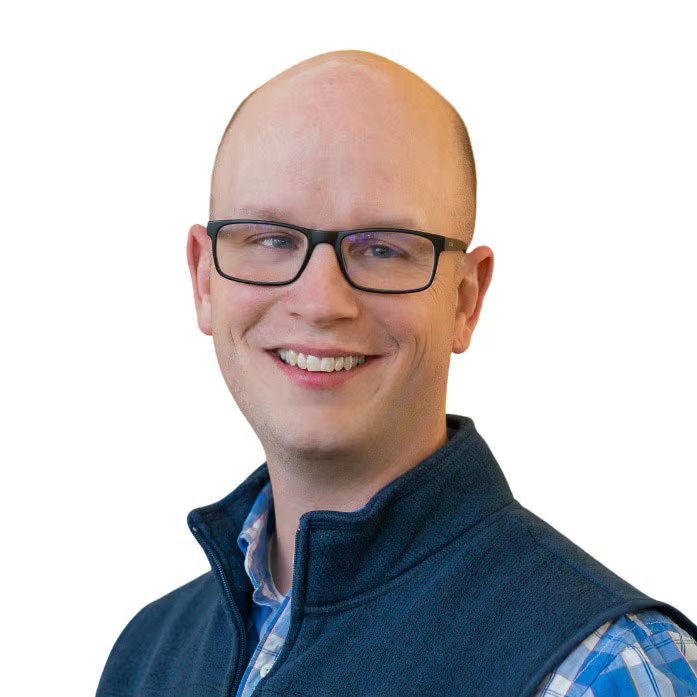
Ted Fanueff, LCSW, specializes in anxiety disorders, depression, and OCD. He’s worked in community mental health centers, hospitals, clinics, and private practice, with specialized training from the Beck Institute in CBT and advanced training in Exposure and Response Prevention (ERP) approaches for OCD and phobias.
Artificial Intelligence is no longer a distant promise—it’s already reshaping how therapy is documented, analyzed, and delivered. But for many clinicians, AI still feels mysterious or ethically fraught. This highly practical workshop demystifies the role of AI in therapy by showing you what’s available now—from automated session summaries and progress tracking to voice transcription, client insights, and clinical risk detection. You'll walk away with concrete ways to ethically integrate AI into your practice, reduce administrative load, and enhance client care—without replacing the human heart of therapy. In this workshop, you'll learn:
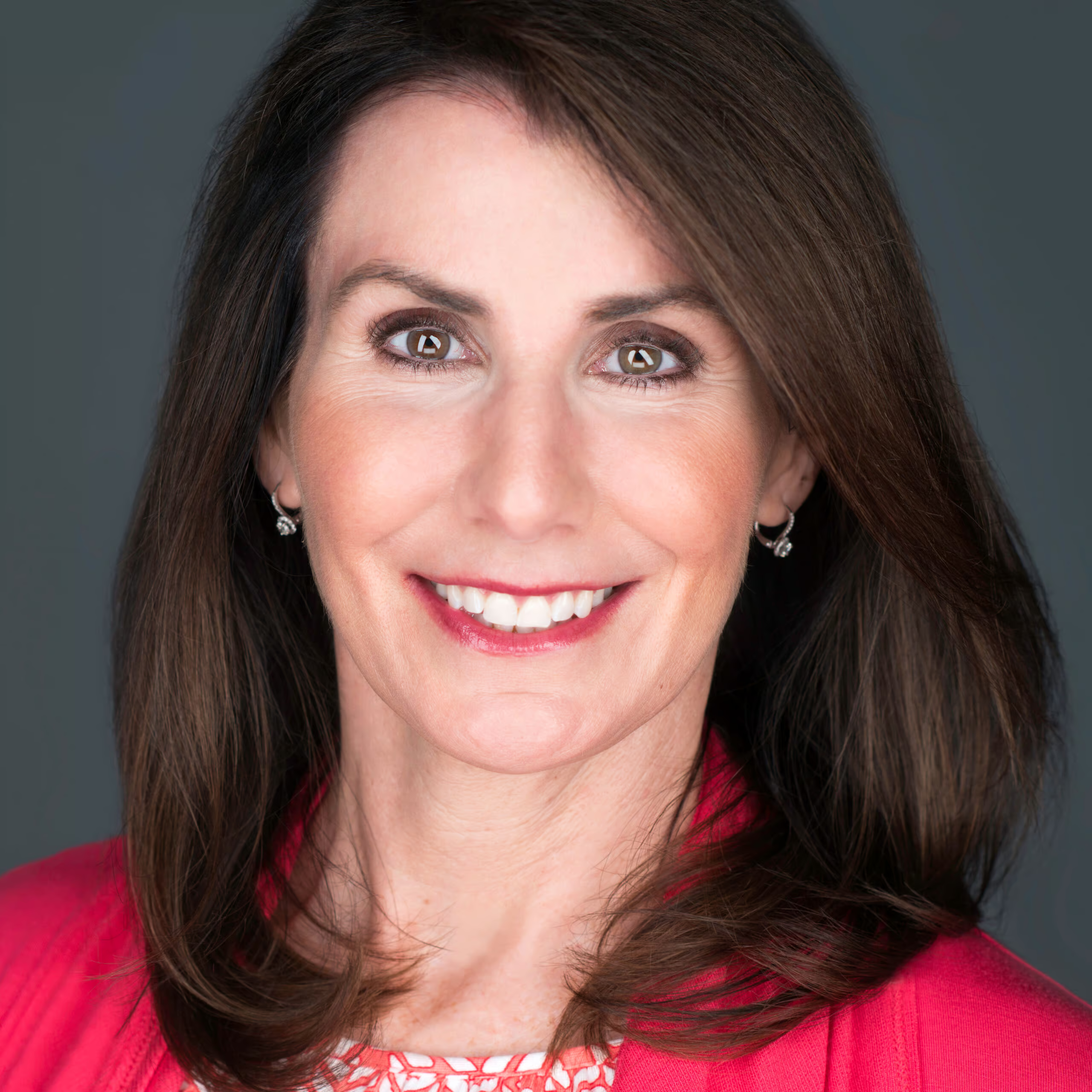
Marcella Cox, LMFT, CEDS-C is a therapist, author, and speaker specializing in the treatment of trauma and eating disorders. She’s a member of the teaching staff for Susan McConnell's Somatic IFS therapy and leads workshops, retreats, and consultation groups for the IFS therapy community.
Looking for an interdisciplinary trauma treatment approach that blends the best of evidence-based practice with holistic perspectives? Internal Family Systems (IFS) therapy is not only one of the leading trauma treatment approaches, but an ideal complement to somatic interventions like movement and breathing techniques. In this experiential workshop, we’ll explore how Somatic IFS therapy bridges the gap between insight and felt-sense transformation by engaging the body in the therapeutic process. As we walk through the five Somatic IFS therapy practices, you’ll discover how protector parts and exiles show up in the body, how to help protectors unblend, and how to support your client to be with their exiles to safely release trauma held in their bodies and heal from the inside out. You’ll also learn how to:

Elizabeth Earnshaw, LMFT, is a Certified Gottman Therapist and AAMFT Clinical Fellow and Approved Supervisor. She’s the founder of A Better Life Therapy, where she specializes in working with couples navigating relational challenges, transitions, and repair. Earnshaw is the author of several books, including I Want This to Work, Til Stress Do Us Part, The Clinician’s Guide to Intensive Couples Therapy, and The Couples Therapy Flip Chart. Her work has been featured in The New York Times and The Washington Post.
Many of the couples showing up in our offices are stressed, time-starved, and disconnected. This isn’t because they lack love, but because the demands of modern life leave them with little space for intimacy, rest, and safety within their relationship. How can therapy help couples with limited time, limited emotional bandwidth, and an overwhelming to-do list? In this workshop, we’ll explore the hidden dynamics driving modern couples’ struggles and how those dynamics escalate during major life transitions, like becoming new parents. From mismatched schedules and simmering resentment over who carries more of the mental load to the invisible wounds of postpartum depression, many modern couples face unique stressors that test even the strongest partnerships. You’ll learn to help them:
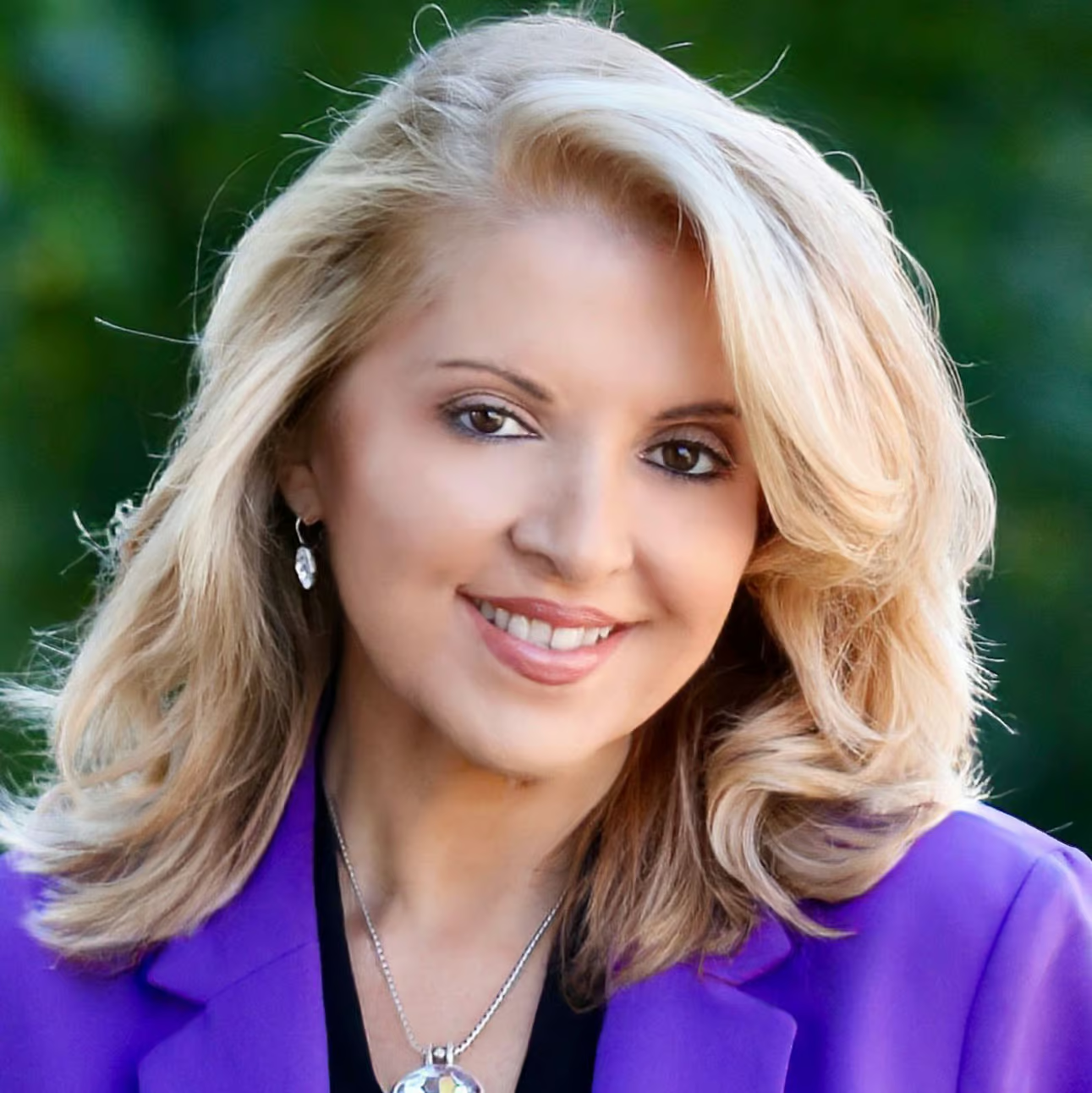
Wendy Behary, MSW, LCSW, is the founder and director of The Cognitive Therapy Center of New Jersey and The Schema Therapy Institutes of NJ-NYC-DC. She’s a founding fellow and consulting supervisor for The Academy of Cognitive Therapy, and past President of the Executive Board of the ISST. She’s the author of the international bestseller Disarming the Narcissist: Surviving and Thriving with the Self-Absorbed, and Deliberate Practice in Schema Therapy.
The schema approach draws from cognitive-behavioral therapy, attachment theory, psychodynamic concepts, and emotion-focused therapies. And it’s uniquely effective with entrenched, chronic psychological disorders, eating disorders, intractable relationship and emotional problems, and personality disorders—in other words, clients who often get labeled as “difficult” or “resistant.” In this workshop, you’ll learn to navigate clinical challenges using powerful schema therapy interventions such as imagery, mode dialogues, empathic confrontation, bypassing avoidance, setting limits, adaptive re-parenting, anger confrontation, and behavioral pattern breaking. You’ll also be invited to reflect on how your own schema impacts the therapy relationship. You’ll discover how to:
8:30 AM - 9:45 AM ~ Welcome & Morning Keynote
10:00 AM - 1:00 PM ~ Clinical Workshops
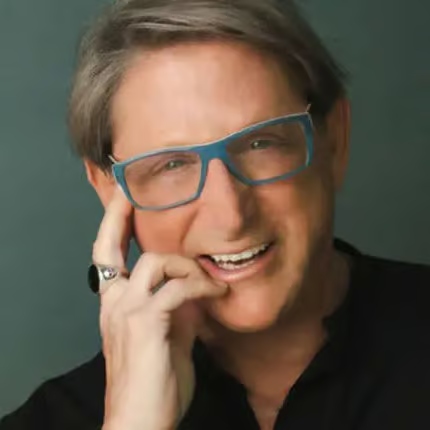
Modern relationships are in crisis—not because we want too much, but because we’ve been trained to settle for too little. In today’s world, where people crave deep, soulful connection more than ever, we’re still saddled with a cultural legacy that glorifies individualism, patriarchy, and emotional repression. The result? We’re longing for intimacy in a world that teaches us to protect, not connect.
Terry Real, New York Times bestselling author of Us: Getting Past You and Me to Build a More Loving Relationship and founder of Relational Life Therapy (RLT), has spent over 30 years challenging the cultural forces that erode our capacity for authentic love. Known for his fierce compassion and groundbreaking work in men’s issues, Real brings both clinical wisdom and raw humanity to the deepest questions of how we live and love.
In this talk, with honesty, humor, and a deep understanding of what brings us close (and what tears us apart), he’ll guide us into a radical vision of love as nothing less than an act of insurrection—a rebellion against the disconnection we’ve inherited, and a conscious choice to live relationally in a fractured world. This is not just a new map for intimacy—it’s a call to action for therapists, partners, and anyone yearning to love well in a culture that makes it hard.
Terry Real, LICSW, New York Times bestselling author of Us: Getting Past You and Me to Build a More Loving Relationship and founder of Relational Life Therapy (RLT), has spent over 30 years challenging the cultural forces that erode our capacity for authentic love. Known for his fierce compassion and groundbreaking work in men’s issues, Real brings both clinical wisdom and raw humanity to the deepest questions of how we live and love.
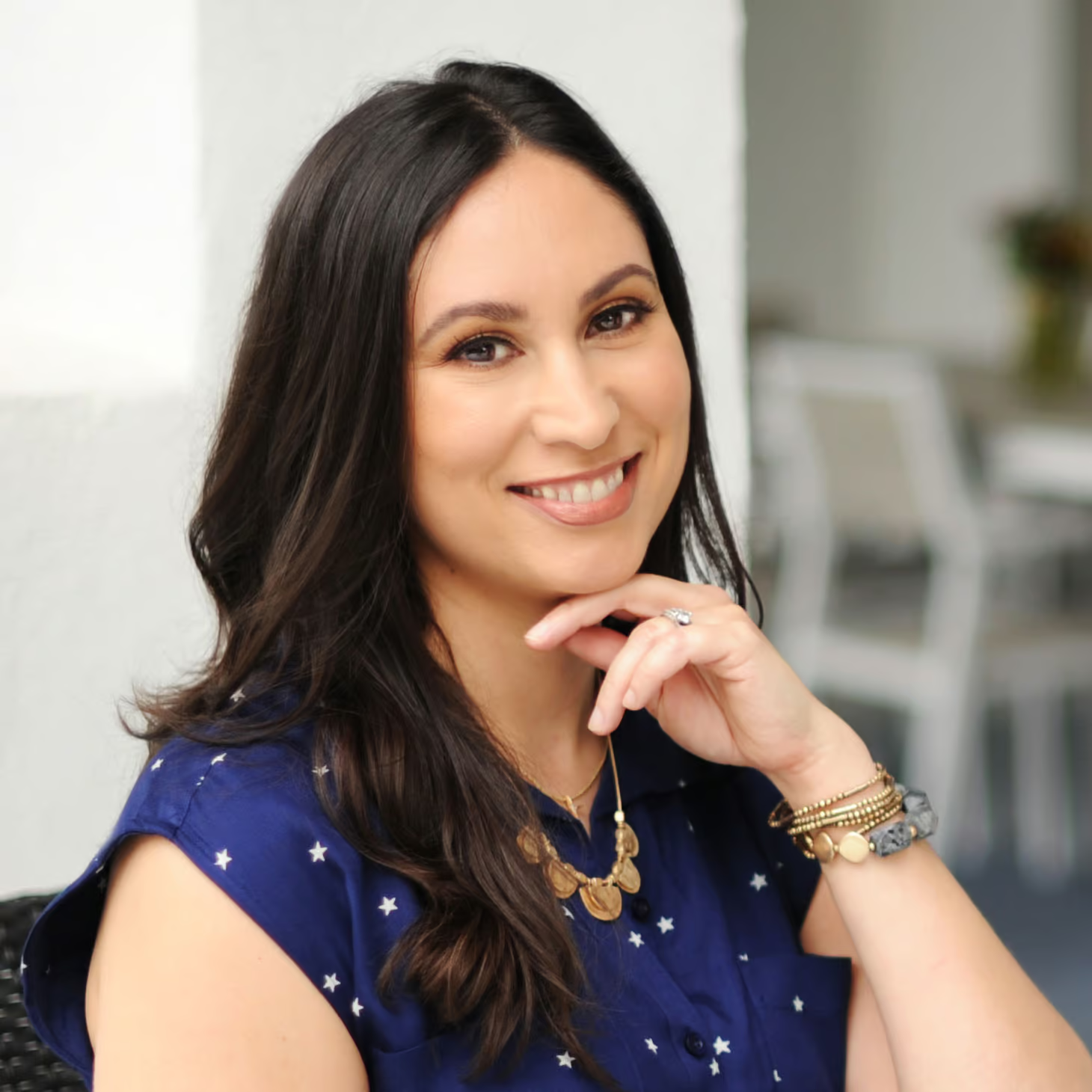
Desirae Ysasi, LPC-S, is a licensed professional counselor and board-approved supervisor, with nearly two decades of clinical experience. She’s the founder and director of a thriving group practice specializing in relationship counseling. A Certified Relational Life Therapist since 2018, she now serves as the Director of Training & Certification at the Relational Life Institute, where she oversees the global certification program and trains clinicians and coaches worldwide in Terry Real’s Relational Life Therapy (RLT) model.
Authentic connection is every client’s birthright—yet trauma, shame, and rigid relational stances so often block the path. This workshop will guide you through the transformative roadmap of Relational Life Therapy (RLT) to help clients find authentic connection. You’ll discover how the integration of loving confrontation, deep trauma work, and actionable skills creates the rapid, lasting breakthroughs RLT is known for. Through live teaching and demonstrations, you’ll learn how to help clients move out of destructive cycles and into profound, sustainable intimacy. You’ll learn:
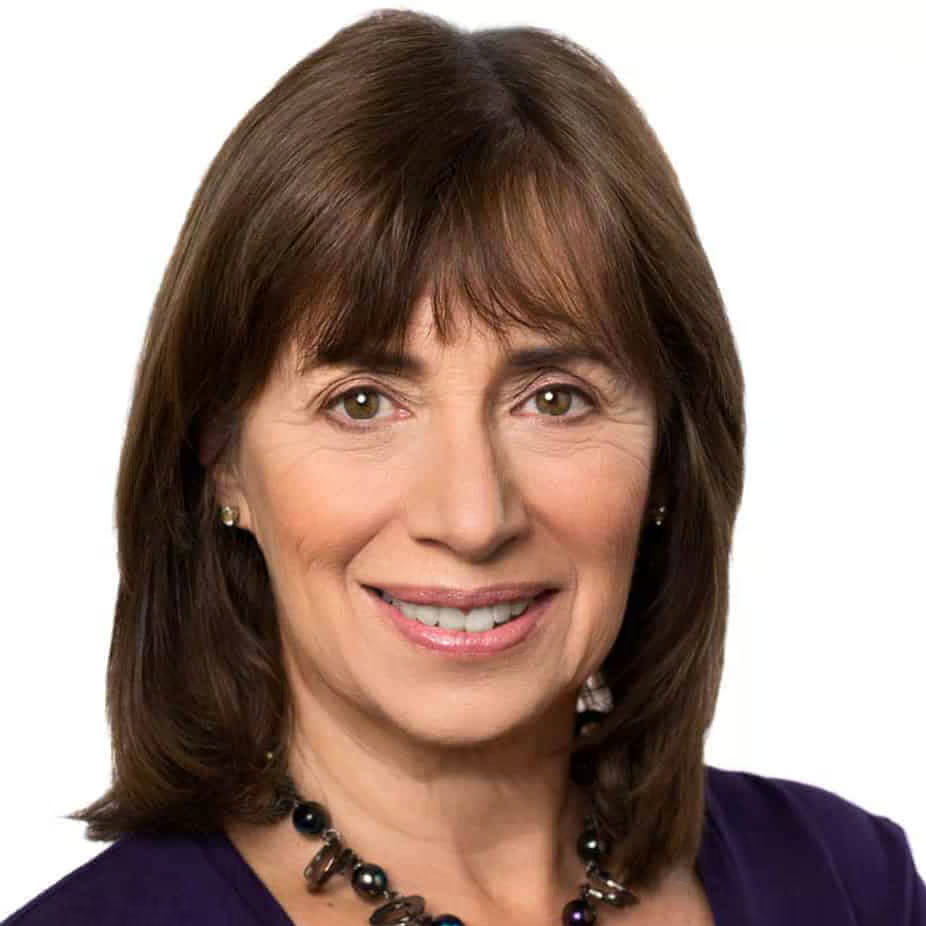
Ellyn Bader, PhD, is a psychologist, codirector of The Couples Institute in Menlo Park, California, and co-creator of The Developmental Model of Couples Therapy. She’s one of the early founders of couples therapy, as well as a recognized thought leader and trailblazer in relationship therapy. She coauthored the award-winning textbook In Quest of the Mythical Mate and Tell Me No Lies: How to Face the Truth and Build a Loving Marriage with her husband, Dr. Peter Pearson. She’s been featured on Nightline, Good Morning America, and NPR, as well as in O Magazine, Cosmopolitan, and the Wall Street Journal.
Roughly one in three clients comes to individual therapy seeking help with stress in their romantic relationship. Often their partner never even sets foot in your office! So how do you work with these clients’ pain, depression, disillusionment, and convictions that their partner is the problem without that partner present to give you a fuller picture of their conflict? In this workshop, you’ll learn how to avoid one of the biggest risks when working with just one partner: hearing and validating only one side of the story. The answer lies in being incisive in uncovering what your client is doing that is undermining the love they want. Through a live clinical demonstration, you’ll learn how to illuminate the invisible developmental forces shaping your clients’ struggles, and you'll receive tools designed to promote growth in your individual client and enable them to spark growth in their relationship as well. You’ll also discover how to:
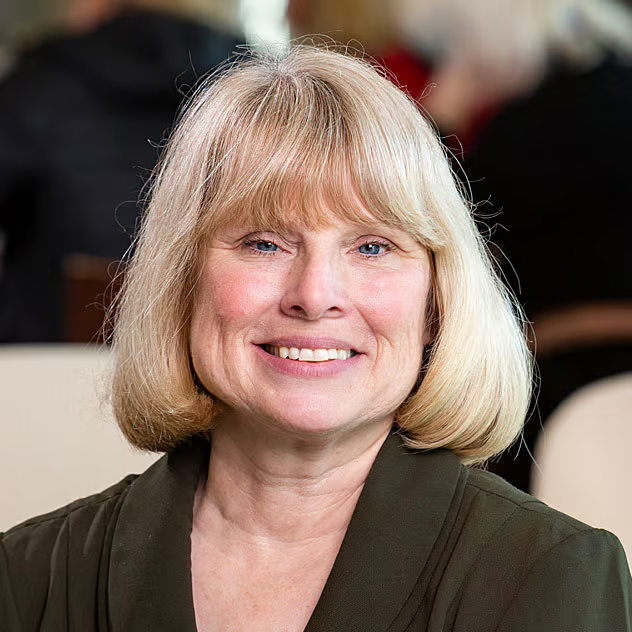
Catherine Pittman, PhD, HSPP, is a licensed clinical psychologist and psychology professor at Saint Mary’s College in Notre Dame, Indiana, who’s spent over 30 years treating anxiety and brain injuries. She’s the author of Taming Your Amygdala, and trains therapists in neurologically informed CBT.
Anxiety sends our brains into overdrive. But how often do our therapy approaches actually address what’s happening in our anxious clients’ brains? Whether your clients are struggling with anxiety stemming from OCD, PTSD, or GAD, this workshop will walk you through a clear, neuroscience-backed approach. You’ll learn to address symptoms like distress and avoidance, as well as promote neuroplasticity and change as you help clients set concrete goals and take steps toward building happier, less burdened lives. In addition, you’ll explore the different parts of the brain and their role in anxiety, and the hows of actual treatment as we walk through evidence-based techniques borrowing from CBT, mindfulness, and more. You’ll discover how to:
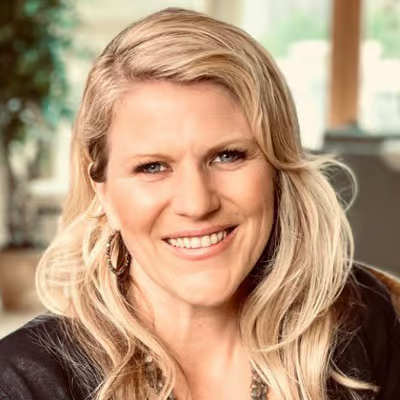
Chantelle Thomas, PhD, is the executive clinical director of Windrose Recovery and Integrata. She's a clinical health psychologist certified in both MDMA-Assisted Psychotherapy and Ketamine Assisted Psychotherapy (KAP), who specializes in the treatment of addiction and trauma. Her podcast, “Blind Spots: Exploring What We Cannot See," explores therapeutic blind spots in both established and novel treatments for substance use and trauma-related conditions.
In the world of psychedelic-assisted psychotherapy, ketamine elicits polarizing reactions despite its high safety profile, versatility, and accessibility. On the one hand, it’s seen as the unpredictable chameleon of the psychedelic world because it can have vastly different effects. And on the other hand, it’s mistakenly viewed as a silver-bullet to healing for the “treatment resistant.” In fact, under optimal conditions, ketamine can provide tremendous therapeutic opportunities for internal resourcing while also supporting exploration, connection, and healing. In this workshop, you’ll gain a clear understanding of how ketamine works, who it helps, and when it may not be an appropriate treatment choice. You’ll learn how to make informed decisions about integrating ketamine into your practice and collaborate with ketamine assisted psychotherapy (KAP) providers in a safe, intentional, and trauma-sensitive way. You'll also discover:
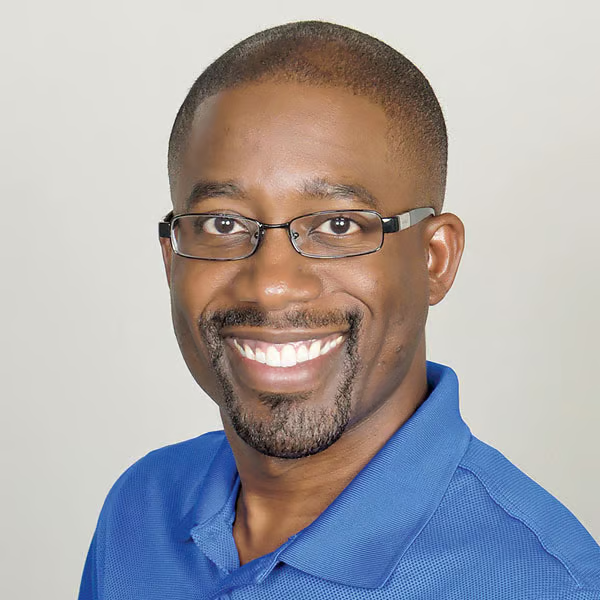
Lambers Fisher, LMFT, MDiv, is a licensed marriage and family therapist, award-winning author, and national speaker on the topic of multicultural awareness and diversity. For over 20 years, he’s counseled individuals, couples, and families from a variety of cultural backgrounds, in private practice, non-profit, and ministry environments.
Our political, gender, and racial and ethnic divides don’t just stop at the voting booth: they’re increasingly impacting our clients’ mental health, home life, work, and communities. Of course, these cultural shifts are also impacting our therapeutic relationships and treatment efficacy. Drawing from systemic, evidence-based approaches that help repair and strengthen struggling relationships, this workshop will provide you with practical and ethical strategies to not only help your clients navigate division outside the therapy room but help you and your clients explore cultural differences that exist in your work together, deepening the therapeutic relationship in the process. Together, we’ll walk through concrete steps you can take to make your office a safe and inviting environment for clients of all cultural backgrounds and ways to reduce cultural countertransference. You’ll also learn how to:
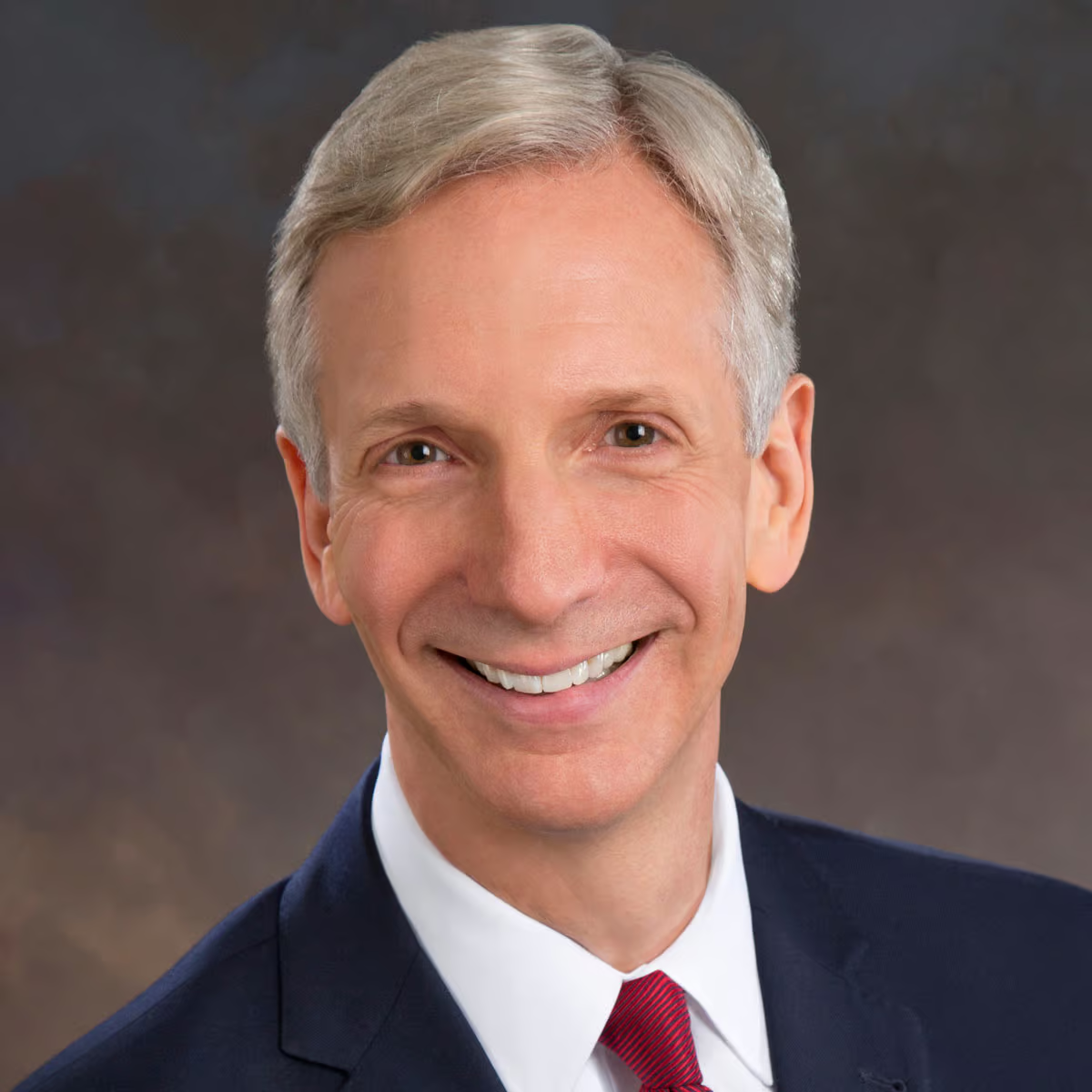
Britt Rathbone, LCSW-C, ACSW, BCD, CGP, is an expert adolescent therapist, director of Capital Youth Services, and the author of several professional and lay books, including What Works For Teens and DBT For At-Risk Adolescents.
Every clinician has experienced clients who regularly show up late, avoid hard topics, or keep cycling through the same crises. With these clients, standard interventions often stall, the work feels stuck, and frustration builds on both sides. Dialectical Behavior Therapy (DBT) was created for these kinds of sessions, not just for clients typically considered “borderline.” In this workshop, you’ll learn how DBT’s most effective, transdiagnostic tools can transform sessions with any client. From laser-focused behavioral assessment to strategies that secure genuine commitment, DBT techniques break stalemates and create momentum. Whether you’re in private practice, community mental health, or a medical setting, you’ll walk away with a host of clear, ready-to-use methods you can integrate into your next session. You’ll discover how to:
Unite with thousands of colleagues and unlock the solutions to your current challenges. Discover the approaches that truly work!
We have a 100% satisfaction guarantee. If you are not satisfied, please contact us HERE. To request a copy of our full grievance policy, please email cepesi@pesi.com.
Yes, both in-person and virtual attendees will have the opportunity to ask or submit their questions live to get real expert responses. We will address as many questions as time allows.
No problem. Attend whatever sessions you are interested in. Please note that you can only receive CE credit for the sessions you attend live.
Yes! While other conferences charge extra for CE, our registration passes include live CE hours as part of your ticket. After the event, an email will be sent to you that will explain how you will complete your electronic evaluation and access your certificate of completion. To view more information on CE, please visit: https://www.psychnetworker.org/continuing-education
We'll want to update this to: We love bringing in students and those new to the field to experience Symposium. To register as a student, go to: https://www.psychnetworker.org/student-scholarship-program/. The registration system will ask for verification of student status.
Psychotherapy Networker is a non-profit educational organization. For over 49 years, we have featured the leading researchers, innovators, and developers in the field through our award-winning magazine, CE trainings, and our annual Symposium.
Our focus is on telling the stories of psychotherapy and being a place where clinicians of all licenses and backgrounds who practice psychotherapy can keep up on what's happening in the field, hear captivating stories from colleagues on what's really happening in their practices, learn through CE trainings from the best in the field, and enjoy the most celebrated annual gathering of psychotherapists in the world.